

The Trevor Project recently published its 6th National Survey on the Mental Health of LGBTQ+ Young People. The annual report is a must read at any point in time, and particularly for those engaged in the health and well-being of pediatric patients and their families. However, it holds special significance during Mental Health Awareness Month. In the spirit of patient-inclusive care, every person deserves to feel safe, seen, heard, and valued.
The experiences of over 18,000 LGBTQ+ young people (ages 13 -24) across the US are detailed in this seminal report. There is one big disclaimer: caring human beings will be overwhelmed by the current level of mental health risk for youth who identify within this community.
Key Themes
This year’s report reflects several key themes, including profound levels of trauma, victimization, and a disproportionately high risk of suicide for those surveyed. It is challenging enough for youth to acknowledge and present their authentic self to others, let alone identify as part of the LGBTQIA++ community. The intersectionality of minoritized and vulnerable identities (e.g., racial, ethnic, socioeconomic, ableist) easily prompts discrimination and oppression. The layering of these marginalities only exacerbates a person’s exclusion from social connection, resources, and opportunities to engage in mainstream society; fear of stigma, rejection, and abandonment by family, peers, teachers, and other individuals is a reality for far too many individuals.
A high volume of LGBTQIA+ youth are unable to access the mental health care they need, and when they need it most. The widening gaps in treatment accessibility and availability trouble me greatly. I had a strong visceral reaction to this data during my initial read, especially as a fierce ally of the community, a behavioral health professional, and one who cares deeply about the human condition. Preliminary conversations with colleagues and friends yielded equally powerful reactions. Here are the data high points for your own reflection and consideration:
Access to care:
- 84% of all respondents wanted mental health care
- 50% were unable to access it
For youth who wanted mental health intervention but were unable to access it:
- 42%: Scared to discuss their mental health concerns with others
- 40%: Unable to afford it
- 37%: Unable to obtain parental or caregiver’s permission
- 34%: Worried they would not be taken seriously
- 31%: Fearful of being hospitalized involuntarily
- 24%: Not yet out and worried being outed
- 22%: Concerned that treatment providers would not understand their sexual orientation or gender identity
- 20%: Had a prior negative experience with a clinician
Suicidality:
- 46% of ages 13-17 considered suicide in the past year, while 16% attempted.
- 33% of ages 18-24 considered suicide, while 8 % attempted
For all youth who considered suicide:
- 52%: Transgender Men
- 47%: Transgender Women
- 43%: Nonbinary/Genderqueer
- 42%: Questioning
- 31%: Cisgender Women
- 27%: Cisgender Men
LGBTQ+ Youth of Color reported increased suicidal attempts vs. Whites:
- 24% :Native American/Indigenous youth
- 16%: Multiracial youth
- 14%: Black/African American youth
- 14%: Middle Eastern/North African youth
- 13%: Hispanic/Latinx youth
- 10%: Asian American/Pacific Islander youth
Mental Health and Well-being:
- 90%: Well-being was negatively impacted by recent politics.
- 45% of transgender/nonbinary young people: Reported their family considered moving to a different state due to anti-LGBTQ+-related politics and laws.
- 49%: Experienced bullying in the past year
- Those who reported being bullied had significantly higher rates of attempting suicide in the past year vs. those who did not experience bullying.
Gender-affirming treatment
- 62% of youth on Gender-affirming hormones were concerned they would lose access to this care.
Bullying and At Risk of Physical Harm
- 23%: Were physically threatened or harmed due to sexual orientation or gender identity
- 28% of transgender and nonbinary young people: Were physically threatened or harmed in the past year due to their gender identity
The concerns intensify when this data point is broken down by sexual orientation, racial, and ethnic status. Prevalence increases by up to 20% when looking at gender identity by group:
- 40%: Asian Americans
- 36%: Blacks
- 44%: Latinx
- 43%: Middle Eastern
- 55%: Native American
- 48%: Whites
Ten Actions for Peers and Allies to Show Support
The Trevor Project identifies how to support youth, including through providing psychological safety and a sense of belonging by :
- Ensuring availability of gender-affirming spaces
- Providing access to gender-affirming clothing, gender-neutral bathrooms at school, and respect of pronouns by those they live with
- Having at least one adult in their school or academic setting who is supportive and affirming of their authentic self
- Have an affirming space at home, school, work, place or worship, community, and/or social media (online)
In addition, respondents were queried on their 10 top priorities for how peers and allies can actively convey support:
- Trust the person knows who they are (88%)
- Stand up for the person (81%)
- Not support politicians who advocate for anti-LGBTQIA+ legislation (77%)
- Look up things about LGBTQ+ identities on their own to better understand (62%)
- Respect pronouns (59%)
- Show support for how the person expresses their gender (57%)
- Ask questions about LGBTQ+ identities to better understand (56%)
- Accept their partner (55%)
- Show support on social media (44%)
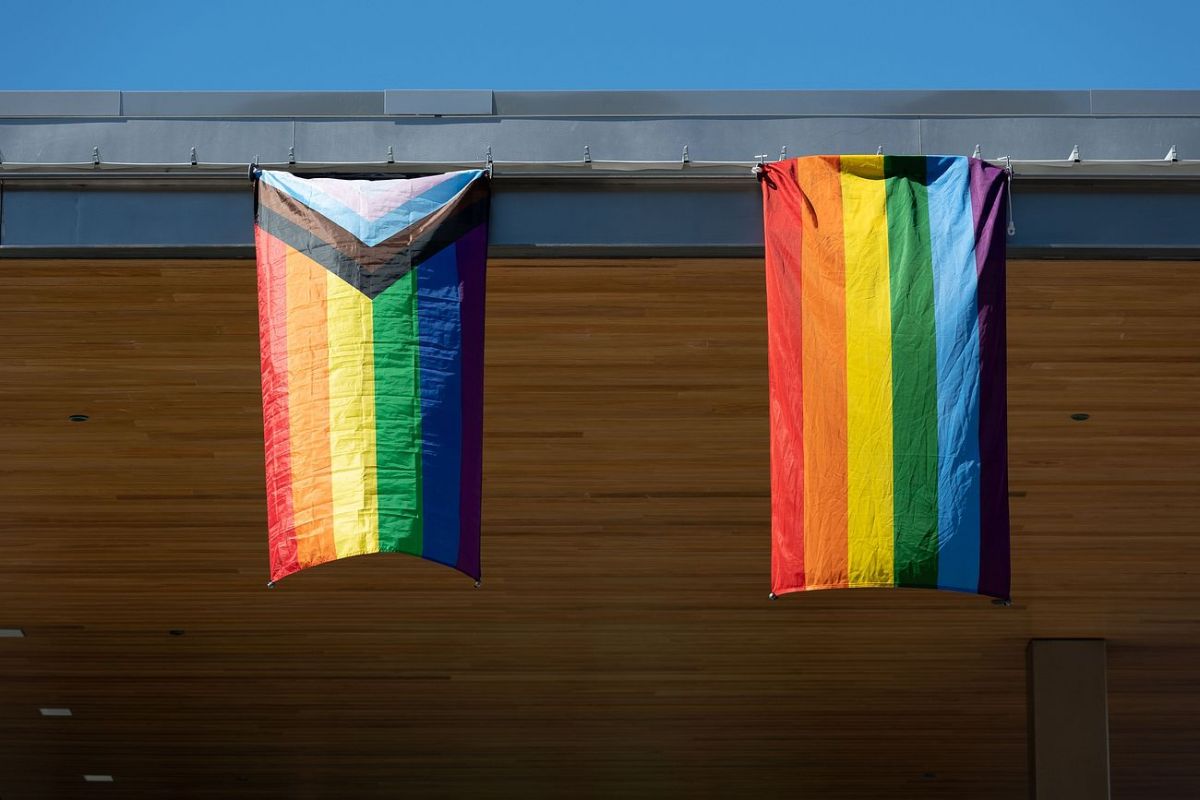
- Have or display pride flags (43%)
Resources to support LGBTQIA+ Youth
Prior blogs have addressed these valued resources:
- GLADD provides a clearinghouse of population-specific resources for advocacy, legal, and other general information.
- The Human Rights Campaign advocates and promotes equity for all persons within the movement. Their massive resource database empowers allies and other community stakeholders how to support individuals with coming out, maneuvering college, elections, hate crimes, health and aging, parenting, religion and faith, and workplace support.
- Outcare Health offers concordant care directories with a 50-state community resource directory for LGBTQIA++ affirming practitioners, primary care, mental health, youth groups, shelters, support groups, and STI testing. They also provide an interactive map on U.S. legislation targeting LGBTQIA++ rights across the states.
- SMYAL offers locale-based housing programs that ensure safe, LGBTQ-affirming support through tiered residential options: transitional housing, extended transitional housing, and rapid re-housing.
- The Trevor Project provides 24/7 information, support, and resource connection for LGBTQIA++ Youth around the globe. There is immediate access to trained counselors via call, text, or chat, and linkage to an international community for LGBTQ young people
- LGBTQ+ Healthcare Directory provides a listing of LGBTQ+ informed and welcoming health, mental health and other providers and practitioners across the U.S. and Canada.
Readers of this blog are encouraged to add resources in the comments area below.
Data Must Yield Actionable Solutions
I echo the sentiment of my colleagues in that the industry has substantial data to validate the severity of this mental health crisis. Actionable and sustainable programming and intervention must be developed and expanded to ensure psychologically safe and concordant care is readily accessible for all youth who want it, as well as for their family members, and other allies. The risks and consequences for youth unable to access needed mental health support and intervention are far too great to ignore.
 Ellen's Interprofessional Insights