Mental Health of LGBTQ+ Youth and The Trevor Project’s 6th National Survey 

The Trevor Project’s 6th National Survey on Mental Health of LGTBQ+ Young People is a must read for all health and behavioral health professionals. The mandate is clear: sustainable programming and intervention must be developed and expanded to ensure psychologically safe and concordant care is readily accessible for all youth who want it, as well as for their family members, and other allies.

The Trevor Project recently published its  6th National Survey on the Mental Health of LGBTQ+ Young People. The annual report is a must read at any point in time, and particularly for those engaged in the health and well-being of pediatric patients and their families. However, it holds special significance during Mental Health Awareness Month. In the spirit of patient-inclusive care, every person deserves to feel safe, seen, heard, and valued.

The experiences of over 18,000 LGBTQ+ young people (ages 13 -24) across the US are detailed in this seminal report. There is one big disclaimer: caring human beings will be overwhelmed by the current level of mental health risk for youth who identify within this community. 

Key Themes

This year’s report reflects several key themes, including profound levels of trauma, victimization, and a disproportionately high risk of suicide for those surveyed. It is challenging enough for youth to acknowledge and present their authentic self to others, let alone identify as part of the LGBTQIA++ community. The intersectionality of minoritized and vulnerable identities (e.g., racial, ethnic, socioeconomic, ableist) easily prompts discrimination and oppression. The layering of these marginalities only exacerbates a person’s exclusion from social connection, resources, and opportunities to engage in mainstream society; fear of stigma, rejection, and abandonment by family, peers, teachers, and other individuals is a reality for far too many individuals.

high volume of LGBTQIA+ youth are unable to access the mental health care they need, and when they need it most. The widening gaps in treatment accessibility and availability trouble me greatly. I had a strong visceral reaction to this data during my initial read, especially as a fierce ally of the community, a behavioral health professional, and one who cares deeply about the human condition. Preliminary conversations with colleagues and friends yielded equally powerful reactions. Here are the data high points for your own reflection and consideration:

Access to care:

  • 84% of all respondents wanted mental health care
  • 50% were unable to access it

For youth who wanted mental health intervention but were unable to access it: 

  • 42%: Scared to discuss their mental health concerns with others
  • 40%: Unable to afford it
  • 37%: Unable to obtain parental or caregiver’s permission
  • 34%: Worried they would not be taken seriously
  • 31%: Fearful of being hospitalized involuntarily
  • 24%: Not yet out and worried being outed 
  • 22%: Concerned that treatment providers would not understand their sexual orientation or gender identity
  • 20%: Had a prior negative experience with a clinician

Suicidality:

  • 46% of ages 13-17 considered suicide in the past year, while 16% attempted.
  • 33% of ages 18-24 considered suicide, while 8 % attempted

For all youth who considered suicide:

  • 52%: Transgender Men
  • 47%: Transgender Women
  • 43%: Nonbinary/Genderqueer
  • 42%: Questioning
  • 31%: Cisgender Women
  • 27%: Cisgender Men

LGBTQ+ Youth of Color reported increased suicidal attempts vs. Whites:

  • 24% :Native American/Indigenous youth
  • 16%: Multiracial youth
  • 14%: Black/African American youth
  • 14%: Middle Eastern/North African youth
  • 13%: Hispanic/Latinx youth
  • 10%: Asian American/Pacific Islander youth

Mental Health and Well-being:

  • 90%: Well-being was negatively impacted by recent politics.
  • 45% of transgender/nonbinary young people: Reported their family considered moving to a different state due to anti-LGBTQ+-related politics and laws.
  • 49%: Experienced bullying in the past year
    • Those who reported being bullied had significantly higher rates of attempting suicide in the past year vs. those who did not experience bullying.


Gender-affirming treatment

  • 62% of youth on Gender-affirming hormones were concerned they would lose access to this care.

Bullying and At Risk of Physical Harm

  • 23%: Were physically threatened or harmed due to sexual orientation or gender identity
  • 28% of transgender and nonbinary young people: Were physically threatened or harmed in the past year due to their gender identity

The concerns intensify when this data point is broken down by sexual orientation, racial, and ethnic status. Prevalence increases by up to 20% when looking at gender identity by group:

  • 40%: Asian Americans
  • 36%: Blacks
  • 44%: Latinx
  • 43%: Middle Eastern
  • 55%: Native American
  • 48%: Whites

Ten Actions for Peers and Allies to Show Support

The Trevor Project identifies how to support youth, including through providing psychological safety and a sense of belonging by : 

  • Ensuring availability of gender-affirming spaces 
  • Providing access to gender-affirming clothing, gender-neutral bathrooms at school, and respect of pronouns by those they live with 
  • Having at least one adult in their school or academic setting who is supportive and affirming of their authentic self
  • Have an affirming space at home, school, work, place or worship, community, and/or social media (online)

In addition, respondents were queried on their 10 top priorities for how peers and allies can actively convey support:

  1. Trust the person knows who they are (88%)
  2. Stand up for the person (81%)
  3. Not support politicians who advocate for anti-LGBTQIA+ legislation (77%)
  4. Look up things about LGBTQ+ identities on their own to better understand (62%)
  5. Respect pronouns (59%)
  6. Show support for how the person expresses their gender (57%)
  7. Ask questions about LGBTQ+ identities to better understand (56%)
  8. Accept their partner (55%)
  9. Show support on social media (44%)
  10. Have or display pride flags (43%)

Resources to support LGBTQIA+ Youth

Prior blogs have addressed these valued resources: 

  • GLADD provides a clearinghouse of population-specific resources for advocacy, legal, and other general information. 
  • The Human Rights Campaign  advocates and promotes equity for all persons within the movement. Their massive resource database empowers allies and other community stakeholders how to support individuals with coming out, maneuvering college, elections, hate crimes, health and aging, parenting, religion and faith, and workplace support. 
  • Outcare Health offers concordant care directories with a 50-state community resource directory for LGBTQIA++ affirming practitioners, primary care, mental health, youth groups, shelters, support groups, and STI testing. They also provide an interactive map on U.S. legislation targeting LGBTQIA++ rights across the states.
  • SMYAL offers locale-based housing programs that ensure safe, LGBTQ-affirming support through tiered residential options: transitional housing, extended transitional housing, and rapid re-housing. 
  • The Trevor Project provides 24/7 information, support, and resource connection for LGBTQIA++ Youth around the globe. There is immediate access to trained counselors via call, text, or chat, and linkage to an international community for LGBTQ young people
  • LGBTQ+ Healthcare Directory provides a listing of LGBTQ+ informed and welcoming health, mental health and other providers and practitioners across the U.S. and Canada.

Readers of this blog are encouraged to add resources in the comments area below.

Data Must Yield Actionable Solutions

I echo the sentiment of my colleagues in that the industry has substantial data to validate the severity of this mental health crisis. Actionable and sustainable programming and intervention must be developed and expanded to ensure psychologically safe and concordant care is readily accessible for all youth who want it, as well as for their family members, and other allies. The risks and consequences for youth unable to access needed mental health support and intervention are far too great to ignore.

The U.S. Playbook to Address the SDoH: Launchpad vs. Final Comprehensive Strategy

The White House released the inaugural U.S. Playbook to Address the Social Determinants of Health. The document serves as an important cross-sector guidepost for application, implementation, and action by all involved stakeholders to best serve their patients and communities. But, does the Playbook go far enough to fully address the SDoH? What other opportunities loom?

It’s been another exciting week for those of us taking our daily walk down Social Determinants of Health Lane. The White House released their U.S. Playbook to Address the Social Determinants of Health. The document has captured the industry’s attention, though also yielded some scrutiny.

The Lowdown

The Playbook is a bold undertaking. The document level-sets the massive work engaged in so far to address the health disparities and barriers to care engaged in across the industry. It quotes research and seminal reports citing the clinical and fiscal impact of health inequities faced by society’s minoritized and marginalized populations and providers. This vital foundation also highlights the importance of patient- and family- centric care that heeds the Quintuple and Quintile Aims at micro, meso, and macro levels, and across involved sectors.

For those who want the Cliff Notes version, here you go. Pages 1-18 provide critical information for persons and organizations who seek foundational information on SDoH (e.g., research, definitions, models) and context for them. This is especially valuable knowledge for students, as well as those who might not be as informed on this topic.

For my colleagues who have been in these trenches, pages 18-35 detail the three Playbook pillars with numbered strategic actions to advance each pillar. There is a candid and comprehensive review of the context for each pillar and potential challenges for implementation. Opportunities for Congressional Action are also detailed.

1. Expand data gathering and sharing: Advance data collection and interoperability among health care, public health, social care services, and other data systems to better address SDOH with federal, state, local, tribal, and territorial support.

2. Support flexible funding for social needs: Identify how flexible use of funds could align investments across sectors to finance community infrastructure, offer grants to empower communities to address HRSNs, and encourage coordinated use of resources to improve health outcomes.

3. Support backbone organizations: Support the development of community backbone organizations and other infrastructure to link health care systems to community-based organizations

The Appendics (pages 36-46) discuss how aspects of the Playbook are currently being operationalized using the Whole of Government approach. This section is a ‘must read’ for it provides specific examples to operationalize each action, with further guidance and information for readers on funding opportunities, toolkits with existing screening and assessment resources, and other critical community activities.

To Be Clear

Like most Federal reports and position papers, the Playbook was not developed as a ‘be all to end all’ document. This valuable resource highlights the mandate for all stakeholders and sectors of health and behavioral health services to ensure the most robust and sustainable approach to inclusive care for all populations possible.

How each organization accomplishes this critical priority is on them. Some might have preferred a greater Playbook focus on expanded funding and reimbursement, and that’s one clear opportunity. My take for ensuring organizational success in addressing the SDoH involves ten elements:

1. Take an honest and critical look at their current SDoH priorities.

2. Identify their target populations most impacted and develop means to ensure equitable and accessible care for all persons. This also includes incorporation of quality metrics and relevant outcomes that go beyond length of stay and readmissions to population-specific health priorities (e.g Patient-reported Outcomes Measures).

3. Align all existing inter- and intra-organizational resources and community partners.

4. Utilize and partner on funding access and opportunities; this includes ongoing investment in their communities served, advocacy for appropriate reimbursement (yup, those ICD-10-CM Z codes), and other fiscal imperatives.

5. Ensure appropriate mechanisms for data-gathering, interoperability, and use.

6. Heed industry compliance requirements (e.g., CMS, the Joint Commission, NCQA, NQF) to implement formal patient assessment (or Health-related Social Needs (HRSNs)) intervention, and direct referral linkage.

7. Ensure diverse and sufficient interprofessional staffing who can provide concordant and respectful whole-person care to all populations, which leverages integrated care frameworks and integrated behavioral health models of treatment.

8. Prioritize workforce training on trauma-informed approaches to care, eliminating implicit and explicit biases and microaggressions, and maximizing ethical engagement to enhance patient engagement and treatment adherence versus compliance and resistance.

9. Ensure the alignment and application of Diversity, Equity, Inclusion, and Belonging (DEIB) policies, whereby all patients and the industry workforce feel safe, seen, heard, and valued.

10. Commit to long-term strategic solutioning of the SDoH rather than short-term reactive response.

In Closing

“The Playbook is a launchpad, and not a final comprehensive strategy for addressing the SDoH”. It may not go as far as all stakeholders would like. Yet, the Playbook serves as an important guidepost for necessary cross-sector application, implementation, and action by all entities and individuals to best serve their patients and communities. I trust readers of this post will weigh in with other suggestions, and that input is encouraged. Just remember, final accountability for advancing these efforts is on us all.

Housing Insecurity=Increased Illness Morbidity and Mortality: Solutions Mandated

Despite abundant research on the intersection of chronic illness morbidity, mortality, & homelessness, poor health outcomes related to housing insufficiency continue. The data is meaningless without using it to activate solid solutions.

“Homelessness remains a key social determinant of health, with researchers from the University of California, San Francisco, revealing that individuals who are homeless are 16X more likely to experience sudden cardiac death than those who are not.” This quote appeared in my social media feed last week, and several thoughts immediately popped in my head. First, it had been over a month since I wrote a blog and that needed to be remedied pronto. Next, this topic gave me a mandate to chew on. However, I wondered, if I had missed something in translation. Surely, this topic was not new news. Despite the significance of this new research on the intersection of sudden cardiac death and homelessness, poor outcomes related to housing insufficiency have been long-standing.

Where it Started IS STILL How it’s Going

Housing insufficiency has been among the most frequently researched SDoH, particularly in how it contributes to excessive clinical and fiscal healthcare utilization for patients. I’ve always valued this quote: “While differences in health between housed socioeconomic groups can be described as a ‘slope’, differences in health between housed and homeless people are better understood as a ‘cliff’.”

Persons who are housing insecure face considerable wholistic health challenges across the domains of physical, mental, and psychosocial health. Barriers to care are only exacerbated by the provision of care that can be suboptimal, and is often fueled by implicit bias on the part of providers. This connection leads to lack of trust by the population of practitioners and the healthcare system overall. 

Global mortality rates for those who are housing insecure are far higher than other populations, and impacts every demographic. Research-driven me wanted to share a few items to ponder:

There’s plenty data more where that came from and across every cultural nuance spanning minoritized and marginalized populations (e.g., age, ethnicity, gender, persons with physical, developmental and intellectual disabilities, race, sexual orientation, socioeconomic status, and other groups) . However, amid my profound respect for the research is a valid concern; data is meaningless without using it to activate solid solutions. 

Strategic Solutioning

I posted related thoughts about this topic on LinkedIn earlier in the week. Countless colleagues and thought leaders in this space chimed in to echo similar and strong sentiments. Among the wisdom shared included:

  1. Active implementation and use of ICD-10-CM-Z codes: Homelessness and healthcare have been misaligned for well over my 40-year tenure in the industry. Fortunately the ICD-10-CM-Z code of Z59 for homelessness has morphed into more realistic and reimbursable codes for industry use, with many effective as of October 1, 2023. A big nod to Evelyn Gallego, the Gravity Project, Dr. Ronald Hirsch, Tiffany Ferguson, and other Z-Code warriors for their tireless energies in this space. Despite this progress, I still hear coders, utilization management specialists, and case managers push back on their use. Many are discouraged from using the codes in their organizations in deference to those that reap higher revenue capture. This is short-sighted, if not potentially fraudulent action; can we say “upcoding”? For those who need a refresher, the codes are listed below with a deeper dive available here:
    • Z59.1: Inadequate housing
      • Z59.10: unspecified
      • Z59.11: environmental temperature
      • Z59.12: utilities
      • Z59.19: other inadequate housing
    • Z59.81: Housing instability, housed
      • Z59.811: with risk of homelessness
      • Z59.812: homelessness in the past 12 months
      • Z59.819: unspecified
  2. Greater acknowledgement of and attention to all social drivers of health: For those who not privy to this information, the CMS 2023 IPPS Final Rule mandated that hospitals reporting to the Inpatient Quality Reporting program submit two measures, SDOH-1 and SDOH-2: voluntary for 2023 but required by 2024. We’re all waiting anxiously to see what the penalties for not reporting this data will be, but we can expect they’ll be significant. Joint Commission has also stepped in with standards NPSG.16.01.01 and EP 2 (Notes 1 and 2)You snooze, you lose!
  3. Attention to How Environmental Factors Exacerbate Social Drivers: Evelyn Gallego is the ultimate data mavin for our industry. Emphasis of environmental exposure due to homelessness and sudden death is a population health priority and public health imperative. As a fellow data-geek, I know how use of the data drives making the case to define policy and funding imperatives, so here are my favorites:
  4. Cities Taking Action to Address Health, Equity and Climate Risks: Through the RWJF’s grant-funded project, Cities Taking Action to Address Health, Equity and Climate Change, 6 U.S. cities have been supported to respond to the interconnected challenges of health, equity and the climate crisis with innovative, community-led projects. The cities and their areas include: 
  5. Enhanced Acknowledgement of the Different Types of Homelessness: There is a cultural shift as the industry is being forced to distinguish between types of housing insufficiency, such as acute and chronic homelessness across populations. Innovators working on the front lines of this challenge include Peter Badgley, Jake Rothstein, and John Gorman from Upside I Housing for Health. The National Alliance to End Homelessness continues their tireless crusade to prevent and end homelessness in the US. The National Community Action Partnership’s over 1000 state agencies take an active role in coordinating on housing advocacy and resource provision. FindHelp.org has a dedicated portal on their site for localized housing information.
  6. Expansion of Affordable Housing, Tax Credits, and other Housing ProgramsThe Center for Budget Priorities continues to advocate in this arena with a litany of recommendations for capital investments at the Federal, state, and local levels:
    • Reducing the shortage of deeply affordable rental housing 
    • Expanding vouchers for housing
    • Implementing a housing developer-focused renters’ tax credit
    • Reversing restrictive local zoning practices
    • Preventing the loss of existing affordable housing
    • Improving the Low-Income Housing Tax Credit program
    • Investing in tribal communities’ housing needs
    • Removing barriers to homeownership
    • Reforming project-based housing programs to encourage higher-quality housing.

Where We Need to Go

I’m just getting warmed up here, though always strive for comprehensive articles. I encourage others to add solid strategies and resources in the comments section of this blog post. Remember, we are made stronger by using the data to advocate for practical and sustainable solutions! Keep fighting the fight #SDoHWarriors.

Health Equity and the Social Determinants of Health Are NOT Synonyms

Successful health equity strategies must be inclusive, and focus on all marginalized and minoritized persons and their communities. Any lesser view will continue to yield a faulty health equity equation. 

I delayed writing this blog to not compete with a recently published article in CMSA Today on The Social Determinants of Health: Case Management’s Next Mandate. It’s a quick 5-minute read if you haven’t gotten to it yet. However, that additional week gave me time to review another important and slightly longer read, the National of Academies of Science, Engineering, and Medicine report, Federal Policy to Advance Racial, Ethnic, and Tribal Health Equity 

Report Overview and Missteps

This well-intended report from the National Academies highlights the mandate for macro-level oversight of three disparity domains, as reflected in the title. There was affirmation how the social determinants of health and mental health (SDoH and MH) and the policies that shape them contribute to hindering and advancing health equity. Valuable recommendations included:

  • Creating a permanent federal body responsible for improving racial, ethnic, and tribal equity across the federal government
  • Development by Congress of a score card to assess the impact on health equity of all proposed federal legislation in the future, and
  • Having Federal agencies conduct an equity audit of their current policies. 
  • Collecting more accurate and complete population data for minoritized communities; those social (racial) groups that are marginalized or persecuted due to systemic oppression. 
  • Improving coordination among federal agencies
  • Supporting better inclusion of community input, and 
  • Increasing federal support and access for state and local programs.

These recommendations were sound, as the communities highlighted all face considerable obstacles in accessing optimal physical and behavioral health. Yet, the report suffers from two common flaws that I often identify when reviewing published works on this topic:

  1. Aligning health equity attainment only with the SDoH and MH, and 
  2. Viewing only racial and ethnic populations in the context of the discussion.

Health Equity and the SDoH Are Not Synonyms

Few things annoy me more than short-sighted views of the healthcare horizon in the context of our health equity challenge. I get especially irritated when health disparities are attributed to the SDoH alone. For example, I often hear presenters discuss high mortality rates for minoritized populations and attribute these poor outcomes to poverty and low socioeconomic status, unemployment, and lesser education. Maternal mortality for Black Women is >2.6 X that of White Women, though this particular data point was independent of income, education, or other elements commonly associated with health disparities. 

These faulty views impede accurate comprehension of the full scope of factors obstructing health equity, including systemic and structural racism, implicit and explicit biases, and the political determinants of health (PDoH). This erroneous perspective perpetuates generations of historical, experiential, and other event traumas endured by these populations. Patients continue to be blamed for their poor health outcomes rather than the system (and its providers) that created the chasms in care to begin with. 

Inadequate data to reflect minoritized populations has led to a risk-management ripple-effect. Faulty algorithms have been identified across clinical decision-making and interviewing models leading to inaccurate risk assessment, treatment recommendations, and medication dosages. Poor operational and fiscal outcomes intersect with quality and safety concerns, especially when the data used does not accurately reflect the clinical needs of the population. 

Health Equity Includes More than Race and Ethnicity

Achieving health equity involves taking dedicated action to improve the access, quality, and experience of healthcare for all individuals, populations, and communities. There is no doubt that race and ethnicity are key constructs for research attention and action, with abysmal morbidity and mortality rates. The National Academies report notes:  

  • Life expectancy for non-Hispanic Whites at 78.9 years of age compared to 75.3 for Blacks, and 73.1 for the American Indian and Alaska Native populations.

However, other marginalized populations face equally worrisome barriers to equitable care access and treatment. Of equal importance are gender orientation, age, and individuals with physical, cognitive, developmental, and mental health disabilities, to name a few areas. These populations are too often left out of health equity discussions:

  • Sexual and gender minority (SGM) populations have a higher incidence than non-SGM of developing chronic diseases (e.g., asthma, arthritis, diabetes, kidney disease, hypertension, cardiovascular disease, heart attack, stroke, and chronic obstructive pulmonary disease (COPD)), and more frequently deal with barriers to care from discrimination, let alone cost.
  • People living with disabilities (PLWD) have poorer health than the general population and are at a greater risk of injury and of developing non-communicable chronic diseases and age-related health conditions at earlier ages. 
  • Rampant gender disparities present in pain management, especially for those who identify as women. They experience “gendered treatment” across healthcare settings and with symptoms devalued or dismissed by their healthcare providers. This study’s results were also independent of socioeconomic status, education, or other health-related social needs.

The President of the National Academy of Medicine, Dr. Victor J. Dzau is correct that “Addressing the nation’s racial and ethnic health disparities is an imperative for the medical community.”; I would also add the priority for behavioral health given the current societal demand; after all, there is no health without mental health and visa-versa. However, efforts that limit health equity strategies to racial and ethnic disparities are short-sighted. Successful diversity, equity, and inclusion imperatives require the voice of every societal stakeholder across the entire cultural schema. 

Health Equity Actions Advance

Attaining health equity involves dedicated action to improve the access, quality, and experience of healthcare overall. This translates to intentional work by everyone, from those in data analysis, and learning and development, to persons specializing in process improvement and data measurement. This means:

  1. Developing quality metrics for health plans, health systems, and other entities that focus on more than reactive, short-term return on investment metrics, such as readmissions, patient engagement, and patient satisfaction. These antiquated data points only blame patients for poor outcomes through use of language such as “non-compliant”, rather than put accountability for change in the hands of providers. 
  2. Ensuring quality improvement efforts reduce unnecessary care utilization (e.g., ED visits, hospitalization), while simultaneously increasing access to preventative and primary care, behavioral health, and specialty care; this means adding concordant providers and approaches to care, which has been addressed in prior blog posts.
  3. Shift case management back to a proactive vs. reactive model; discharge planning is not the sole priority. Instead, case management competencies must highlight swift assessment of patients and their support systems, care coordination, interprofessional collaboration, effective communication, and outcomes management, while heeding professional ethical and compliance standards.
  4. Educate policy makers on inclusive health equity frameworks such as by Peterson et al. (2020). This robust framework accounts for equity and justice at the core of health outcomes, multiple and interacting spheres of influence, and a historical and life-course perspective (e.g., historical, experiential, developmental traumas). 
  5. Reinforce a sense of belongingness by everyone, especially persons from underserved communities. All patients and their families should feel seen, heard, and safe in the healthcare sector. This outcome can be measured by patient reported outcomes measures (PROMs), employee satisfaction and engagement surveys, and methods that involve analysis of these measures through demographics of race, ethnicity, and gender, sexual orientation, gender identity, physical and developmental disabilities, and socioeconomic status.

The Call to Action

“Our industry achieves the highest level of health for all persons, only when all voices are includedCommunities that commit to health equity make all persons feel valued, and do so via concerted and ongoing attention. It is only through this all-encompassing effort that avoidable inequities are identified and addressed, historical and contemporary injustices are eliminated, and healthcare disparities are mitigated.” (Fink-Samnick & Garrett, 2023). 

Successful health equity strategies must be inclusive, and focus on all marginalized and minoritized persons and their communities. Any lesser view will continue to yield a faulty health equity equation. All populations deserve better.

Part 2: Wholistic Health Equity Determinants and the LGBTQIA++ Community

This Part 2 post continues exploring the pervasive impact of Wholistic Health Equity Determinants (WHED) on the LGBTQIA++ community. Focus is on the rising incidence of trauma and mental health conditions across the community and the expanding advocacy, funding, as well as resources to mitigate the WHED.

I appreciate the buzz about my last blog; it’s a quick read if you missed it. To catch you up, the LGBTQIA++ community face pervasive Wholistic Health Equity Determinants (WHED): SDoH, SDoMH, PDoH, and the systemic racism that perpetuates them. Discrimination, dismissal, and rejection trigger trauma across every demographic, and intensify integrated health incidence across this population. This Part 2 post explores the unprecedented exacerbation of behavioral health conditions and escalation in mental illness for the the LGBTQIA++ community. Additional focus is placed on novel resources to mitigate the physical, behavioral, and psychosocial health disparities faced by this population.

The Behavioral Health Landscape

     Let’s be clear, the LGBTQIA++ community is a marginalized population with morbidity and mortality rates that are worse than other groups. Increasing attacks on the community’s legal rights have amplified the impact of historical, experiential, and event traumas for the population. 

The following data sources span The Trevor Project’s 2023 U.S. National Survey on the Mental Health of LGBTQ Young People, the 2020 National Survey on Drug Use and Health, and other research.

Suicide

There has been a dramatic uptick in suicidal ideation and gestures among LGBTQIA++ individuals, especially for the community’s youngest members:

  • 41% considered attempting suicide:
    • 46%: Ages 13-17 and 34%: Ages 18-24
    • Of those who attempted suicide: 
      • 17%: Ages 13-17
      •   9%: Ages 18-24
      • 22%: Native/Indigenous 
      • 18%: Middle Eastern/N. African
      • 17%: Multiracial
      • 16% Black
      • 15%: Latinx
      • 11%: White
      • 10%: Asian American/Pacific Islander

Mental Health and Access to Care

The incidence of mental health faced by the community is alarming with higher rates for depression and anxietycompared with non-community members. The prevalence of post-traumatic stress disorder impact upwards of 47% of the community.

Yet, the rates for mental health realities faced by LGBTQIA++ youth concern me greatly:

  • 67%: symptoms of anxiety
  • 25%: symptoms of depression
  • 56% who wanted mental health care were unable to get it:
    • 47%: afraid to talk about their mental health with someone else
    • 41%: didn’t want to get their parent’s/caregiver’s permission
    • 40%: afraid that they wouldn’t be taken seriously
    • 38%: couldn’t afford it
    • 27%: were not out about their authentic self and were afraid of being outed
    • 23%: didn’t feel they would understand their sexual orientation or gender identity
    • 20%: parent/caregiver didn’t allow them to go
  • <50% of transgender and nonbinary youth found their school to be gender-affirming
  • 30% said their mental health was poor most of the time or always from anti-LGBTQ policies and legislation.
  • Nearly 66% affirmed how hearing about potential state or local laws banning people from discussing LGBTQ people at school made their mental health worse.

Persons with Disabilities

Members of the LGBTQIA++ community have a higher likelihood of disabilities, whether physical, cognitive, or intellectual. Incidence is upwards of 40% of persons, though fewer of these disabilities are often expressed by individuals or formally identified.

As an already marginalized group, individuals with disabilities may feel “unseen” and experience more profound stigma and discrimination. Cumulative effects of this marginalisation can occur over the life course, with older members of the community experiencing higher rates of disability, depression, anxiety and isolation than the general community, and decreased social support. They are less likely to advance academically, with fewer persons attending college or attaining beyond a 2 or 4-year degree.

Transgender, non-binary, or gender non-conforming people with disabilities can often feel silenced. Abundant literature affirms they are more likely to experience chronic illnesses, including cardiac disease, high blood pressure, high cholesterol, diabetes, stroke, arthritis, and asthma compared to persons living without disabilities.

Substance Use

The community experiences substance abuse at higher rates than their heterosexual counterparts:

  • LGB Adults: 2X as likely
  • Trans Adults: 4X as likely

21.8%: Diagnosed with an alcohol use disorder vs. 11% of the general population

Advocacy and Action

Advocacy and action have ramped up for dedicated funding, legislation, and program development. Educating industry stakeholders is vital, as is ensuring mentoring and support for LGBTQIA++ youth, adults, and their families. Registries of providers, practitioners, and treatment specialists who offer concordant care are essential. Here is a list of novel community-focused efforts:

  • The Department of Housing and Human Development has launched a new LGBTQIA++ Youth Housing initiative. HUD will partner with local communities, service providers, and young people directly impacted by residential insufficiency to address barriers to housing and shelter access. The recent press release lists further details
  • GLADD provides a clearinghouse of population-specific resources for advocacy, legal, and other general information across the life span. Military members and veterans can access specific linkages to various entities such as OutServe and the Service Members Legal Defense Network.
  • The Human Rights Campaign strives to advocate and promote equity for all persons within the movement. Their massive resource database encompasses topics to empower allies and other community stakeholders from coming out to maneuvering college, elections, hate crimes, health and aging, parenting, religion and faith, and workplace support. 

HRC’s Foundation supports the National LGBTQIA++ Health Education Center, which provides educational programs, resources, and consultation to healthcare organizations to optimize quality, cost-effective care for the population. Accessible webinars span topics as behavioral health, population-based health, trauma-informed care for Trans and Gender Diverse Patients, reproductive health.

  • NAMI offers general guidance on mental health issues faced by the community, and considerations for seeking LGBTQIA++-competent care.
  • Rainbow Labs in Los Angeles, addresses the bullying, isolation, and lack of support often faced by Queer and Gender non-conforming youth (QGNC). The organization provides mentorship, support groups, and linkage with safe individuals, advocates, and programs. One Bold Summer is a free 8-week summer mentoring initiative for QGNC youth (ages 12-18) that pairs QGNC youth with mentors. 
  • SAGE is the largest and oldest U.S. organization dedicated to improving the lives of LGBTQIA++ older adults. The group has been on the forefront of advocacy for elders, quality of long-term care, housing, and other resources. Their National Resource Center on LGBTQ+ Aging hones in on the unique needs of community older adults such as caregiving, elder abuse and neglect, benefit programs, financial, and other health-related social needs.  
  • SMYAL is among a growing number of locale-based housing programs that ensure safe, LGBTQ-affirming support, through tiered residential options: transitional housing, extended transitional housing, and rapid re-housing. Residents can access a range of courses and community engagement opportunities including nutrition and cooking classes, financial literacy, healthy relationships and communication, and resume workshops.
  • The Trevor Project provides 24/7 information, support, and resource connection for LGBTQIA++ Youth around the world. Mechanisms allow for immediate access to trained counselors via call, text, or chat, and linkage to an international community for LGBTQ young people

What’s Next?

I have been a fierce ally of the LGBTQIA++ community for well over 45 years, with countless family, friends, and colleagues in this space. Despite efforts to address the massive WHED faced by the community, innumerable challenges remain. The list of resources in this post is a broad swipe of efforts on the move.

Blog readers are encouraged to contribute resources as they know of them. The work to mitigate WHED for this population will take the collective and concerted action of us all!

Income Insecurity Impacts Access to, Affordability of, and Outcomes for Men’s Wholistic Health

Men’s access to, use and affordability of physical and behavioral health care is at issue. They have the highest rates of avoidable deaths worldwide and are the most likely to skip care due to costs.

This blog has focused on varied population health and access to care challenges for racial and ethnic minorities, among other vulnerable and marginalized communities. Recent blogs addressed the dismal state of Maternal mortality and mental health, escalating women’s reproductive health crisis, and disappearing birthing centers across rural regions. The impact of systemic racism and other realities, such as trauma, on quality of care has also been of note. Considerable research identifies their influence on exacerbation and emergence of chronic physical and mental illness; every age group, gender, and individual across the cultural landscape is at risk. 

The 2020 International Health Policy Survey from the Commonwealth Fund and Organisation for Economic Co-operation and Development (OECD) highlights a plight worthy of notice: health care habits of American Men faced with financial insecurity. The report compares the access to, use, and affordability of care for males in the U.S. compared to 11 high-income countries. 

Startling Outcomes

The report summary focused on overall demographics by gender versus among racial and ethnic groups. The wholistic health triad of physical, behavioral, and psychosocial health gets primary attention yet again with troubling outcomes:

  • At least, 16 M men in the US lack health insurance:
    • Affordability of health plans remains the primary reason 
  • 45% of men have problems paying medical bills:
    • 67% of these men are frequently stressed about employment and/or financial security

Men in the U.S with income insecurity:

  • Are least likely to have a regular physician
    • They have the highest rates of Emergency Department use, especially for conditions that could have been treated in the Doctor’s office (e.g., asthma, diabetes, hypertension) 
  • Skip necessary care due to costs
  • Incur medical bills at the highest rates
  • Are least likely to access preventative care
  • Have the highest rates of avoidable deaths: 337/100,000
  • Are more likely to have integrated health issues, especially chronic conditions
    • Almost 30% have two or more chronic illnesses
    • Have significantly higher rates of smoking and alcohol use, and increased likelihood of having multiple chronic conditions:
      • 4X greater likelihood of being in fair or poor health
  • Have among the highest rates of mental health care needs: 35% of men

The Bottom Line and Mandate

At this point in time, the data affirms that rates of avoidable deaths, chronic conditions, and mental health needs for U.S. men remain the highest in the world; wholistic health equity quality is at a crossroads. Decreased access to routine preventative primary physical and behavioral health care is compromised by financial insecurity, as readily as traditional behavioral or cultural norms; this includes male resistance to appear vulnerable, weak, or infirmed. The cycle of reactive, emergent, and costly care has an identifiable cause that can be mitigated through a proactive means, encompassing:

  • Expanded access to affordable, comprehensive health coverage. 
  • Targeted person-centric and concordant care, including but not limited to:
    • increased access to racially, culturally, and ethnically-diverse providers and practitioners, as well as those trained in and sensitive to LGBTQIA wholistic health
    • Increased emphasis on integrated care frameworks that leverage patient engagement through comprehensive visits, concordant treatment approaches, and clinical expertise
      • Funding and reimbursement are also enhanced
    • Implicit bias training to debunk stigma and systemic racism, and also builds patient-provider trust
  • Collective efforts of providers, health plans, systems and organizations, and communities to promote preventive care and healthy behaviors, through targeted population-based engagement, psycho-education, and outreach

For my fellow wholistic health equity quality warriors, we’ve got miles to go before we sleep. Feel free to add further strategic recommendations and resources below.  

What Good Is Health Plan Cost-Sharing When Persons Can’t Afford to Access Care?

Increasing numbers of persons challenged by cost-sharing options only adds to the growing tally of persons struggling with social determinants of health and mental health; this counters efforts to attain wholistic health equity.

Outcomes
Researchers analyzed data from the 2019 Survey of Consumer Finances with telling results:
• High percentages of non-elderly households lack sufficient assets to meet typical plan cost-sharing amounts.
-45% of single-person non-elderly households unable to pay average cost-sharing amounts of $2,000 annually; low income households were in the same boat
-63% could not pay over the higher plan amounts of $6,000.
• Available liquid assets for single-person non-elderly households with incomes <150% of the federal poverty level (FPL) were limited; available assets averaged $577 vs $1,753 for those between 150% and 400% of FPL, and $13,243 for those above 400% of FPL.
• Median available liquid assets among multi-person households were $698 for those below 150% of poverty compared to $2,996 for households between 150% and 400% of poverty, and $23,439 for households with incomes of 400% of poverty or more.
• 84% of multi-person households with incomes <150% of the FPL lack $4,000 in liquid assets
• 50% of households could not afford a basic employer insurance plan deductible ($2000)
• 2:3 households lacked funds to covered a high-end deductible ( $6000)

Deductibles, co-pays, co-insurance are common means of health plan cost-sharing. However, what happens when healthcare consumers are unable to pay them? A recent study by the Kaiser Family Foundation revealed the sorry truth: health plan enrollees are too often unable to access the care they need, or forced into medical debt and bankruptcy to do so. In a time when strong efforts are in play to bridge healthcare disparities and ease access to care, that reality remains an elusive butterfly for too many individuals.

Most households lack sufficient liquid assets to meet an out-of-pocket maximum. Some might recall that the Affordable Care Act limited out-of-pocket maximums for most private health insurance plans: $8700 for single coverage, $17,400 for family coverage. This is appalling considering the Affordable Care Act set out-of-pocket minimums, yet the average out-of-pocket maximum for single coverage in 2021 was $4272.

Rising Medical Debt
Amid the pandemic, high numbers of persons faced emergency medical bills from care, whether related to COVID-related costs, or deferred health and behavioral issues. Roughly 62% of households with incomes between 150% and 400% of the poverty level were unable to afford care or access the approximately $3000 needed to cover urgent care costs.

Recent reports show dismal results for persons dealing with psychosocial challenges, as well as rising medical debt:
• >50% of Americans experience medical debt
• >57% owed over $1000
• 40% had problems paying medical bills or affording premiums
• 65% who earned <$40,000 and 51% earning $40,000 to $75,000 could not afford premiums despite having employer-sponsored coverage.

• >51% of persons with employer-sponsored plans reported someone in their household delayed or skipped care, or filling a prescription due to the associated expense
• 26% of adults with an employer-sponsored plan had to cut spending on food, clothes, or other household items to pay their health-related expenses.
• 20% took on an additional credit card debt to pay their expenses

The rising numbers of persons challenged by cost-sharing options must be resolved. This reality only adds to the growing tally of persons struggling with social determinants of health and mental health, countering efforts to attain health equity. More must be done to enhance access to care for every person across the wholistic health landscape of physical, behavioral, and psychosocial health.

The Impact of Trauma and Systemic Racism on Wholistic Health Equity

Abundant data on wholistic health disparities mandates intentional, sustainable quality improvement action. Will the next generation of metrics account for this reality?

There is an industry priority to right the societal wrongs associated with historical trauma and systematic racism. These long-standing realities are key drivers of wholistic health disparities: physical, behavioral, and psychosocial health.. A fluid stream of outcomes mandate concordant approaches to racial, ethnic, and other cultural contexts of treatment (e.g., disability, familial choice, gender orientation, regional influences). Yet, despite research to validate data wholistic health outcomes, reflective quality metrics have not been developed.

What Are We Talking About?

            Abundant data assesses the impact of historical, racial, and other types of trauma on health and behavioral health outcomes. Increased healthcare utilization has been identified for survivors of physical and sexual trauma, primarily minority women. Campbell et al. (2002) studied 2,355 females, 21-25 years old, enrolled in a large health maintenance organization (HMO). Patients who experienced intimate partner violence had a far higher prevalence (>50%-70%) of gynecological and central nervous system complaints (e.g., back and pelvic pain, fainting, headaches, seizures), plus other stress-related health issues (e.g., hypertension, insomnia, susceptibility to viral/bacterial infections). Purkey et al. (2020)identified trauma survivors as frequent users of primary, urgent, and emergency care for acute and chronic symptoms. Clarke et al., (2019) discussed the presence of vague somatic complaints by patients who endured traumatic experiences (e.g., ACEs, bulling, pressures to excel in school and career). Costly emergency department visits and ambulatory diagnostic tests are frequently used to identify etiology for chronic and diffuse pain, digestive problems, headaches accompanied chronic illness exacerbation, yet to no avail.    

Another vital dyad for attention involves chronic pain management and stigma experienced by patients from marginalized communities. Wallace et al. (2021) completed a recent study; participants were trauma survivors (e.g., historical, racial, sexual) and members of indigenous, LGBTQIA+, or refugee communities. The results were telling. When physical and emotional pain were expressed to providers, they was minimized or dismissed. If acknowledged by providers, short-term prescriptions were given versus referrals to behavioral health and other specialists.

What Does it Imply?

Data mandates the need for intentional, sustainable quality improvement in this arena. Will the next generation of metrics account for this reality? Racism remains a major factor to drive racial and ethnic inequities in health and mental health, though fails to be addressed in healthcare’s quality proposition. Of the articles reviewed for this blog post, trauma-informed quality analysis of care remained elusive. 2021 saw a fresh generation of industry health equity measures, yet few addressed integrated care, let alone assesses wholistic health equity. Existing metrics continue to silo health or behavioral health. Insufficient focus has been on industry-vetted quality models addressing population-focused, concordant, trauma and equity-focused interventions. 

Where Will Health Equity’s Quality Compass Point?

This author is developing a Quintile Aim for consideration, which adds the pivotal domain of Wholistic Health Equity to the industry’s seminal quality compass. NCQA continues to push this agenda in evolving new metrics. Public comment is open (until 3/11/22) for new HEDIS measures targeting the SDoH. Wyatt et al. (2016) posed a 5-step quality model for organizations to advance health equity delivery to the communities they served, addressed in Figure 1. 

Figure 1: A Framework for Healthcare Organizations to Achieve Health Equity (Wyatt et al., 2016) 

Wyatt R, Laderman M, Botwinick L, Mate K, Whittington J (2016). Achieving Health Equity: A Guide for Health Care Organizations. IHI White Paper: Institute for Healthcare Improvement 

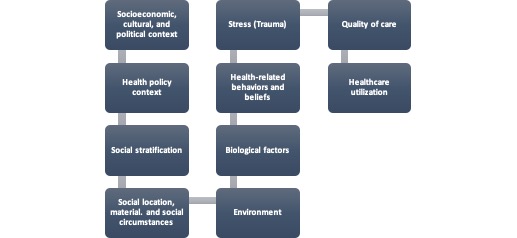
The model was well-intended though had limited substance or strategic action to leverage the intent. This effort was reminiscent of the Quadruple Aim; little data drove the model and obstructed full industry acceptance. By contrast, Dover and Belon’s (2019) Health Equity Measurement Framework (HEMF) is worthy of exploration. Based on the World Health Organization’s Social Determinants of Health model, HEMF vast evaluation areas to measure health equity at macro, meso, and micro levels, as shown in Figure 2. 

Figure 2: HEMF Framework Elements (Dover & Belon, 2019)

Dover, D.C. and Belon, A.P.  (2019. The health equity measurement framework: a comprehensive model to measure social inequities in health. Int J Equity Health 18,36 https://doi.org/10.1186/s12939-019-0935-0

The HEMF model is worthy of a test drive to gauge its true merit. Use of the wide-scope of theoretical and evidence-based industry elements is an asset. Population diversity and complexity are accounted for through power-related and disparity measures. Health beliefs, behaviors, and values are acknowledged with stress factored in; the traumatic-response across circumstances is embedded. My desire to keep this post brief limits further elaboration on the HEMF model. However, know it poses strong value as a robust quality model to address health, behavioral, and racial health disparities across populations exposed to trauma’s diverse lens.  

Have other integrated care quality models that account for wholistic health equity? Add your considerations and comments below!

Are Safety Net Programs Losing Their Safety Net?

A far bigger safety net must be in place to support these essential facilities, programs, providers, and the communities who rely on them. More must be done quickly to ensure safety net sustainability.

The nation’s 56 official safety nets strive to provide quality health and mental health to the nation’s most in need populations. Yet, new struggles to do so are endangering the lives of patients and mandate swift action.

Safety Net Realities 

A quilt of >14,000 sites comprise the safety net system: disproportionate share hospitals, federally qualified health centers (FQHCs), rural, and community health centers. Location maps and listings are accessible at HRSA’s FQHC with a safety net hospital list at their trade association website (America’s Essential Hospitals). These sites provide care:

  • Independent of patient ability to pay and immigration status
  • To the highest share of Medicaid and uninsured patients: 75% and 60% of the population respectively!
  • Across rural and urban regions and both, public and non-profit entities 

Pandemic-related financial headaches continue for the industry, safety net hospitals shouldering more than their share of this burden. Rural regions have seen a waning hospital presence, adding pressure to remaining FQHCs. The Sheps Center displays >100 closures in the past decade50% of 2020 closures for safety net facilities alone.

A recent Kaiser Family Foundation issue brief reviewed COVID’s disproportionate impact on populations covered by Medicaid and Medicare, including people of color and those who use long-term services and supports. Providers serving these patients were less likely to have received monies from the $178 B in pandemic federal provider relief funds; barely $13.1B went to safety net hospitals with a mere $11B to rural providers. This reality contributes to national health expenditures soaring to $4.1 Trillion dollars. The amount accounts for early 2020 through the pandemic’s first wave, which hit safety net facilities hard. Pandemic-related losses for the largest safety net hospitals (e.g., 1000 beds) are as high as 50% of their quarterly revenue. 

Loss of 340B Drug Discounts

Recent loss of 340B drug discounts has meant major fiscal challenges for safety-net programs. The legal battle against drug makers wages in the courts. HRSA has stepped up, imposing fines against drug makers when possible. A study of 510 urban facilities identified losses at 23% of savings from due to loss of 340B, a median of $1 M. Critical access hospitals saw 40% of savings lost, roughly $220,000. While that amount seems small, it is a major hit to these rural hospitals with a max of 25 beds, located 10 miles from other providers. While dollars and losses are relative to each organization, the bottom line is the same; patient endangerment from cuts and closures of needed programs, potentially the only facility or service provider for miles.

How to Save the Safety Nets

7 ideas are posed by experts to strengthen the safety-net foundation: 

  1. Increase federal funding: Target funds to hospitals that qualify for Medicaid disproportionate-share hospital (DSH) payments. Use hospital census data to more equitably distribute payments to facilities that primarily treat uninsured and Medicaid patients (and not Medicare patients). 
  2. Clear Guidance: Federal agencies, as the CDC should use hospital census data to more equitably distribute payments to facilities primarily treating uninsured and Medicaid patients. This action is a sound public health reimbursement strategy moving forward. 
  3. Streamline Regulation: Reduce regulatory burdens to foster reimbursement, such as ongoing expansion of telehealth and virtual requirements and reimbursement, lengthen quality reporting programs, and extend leniency with value-based purchasing programs. These will help hospitals to recover financially from pandemic-related losses.
  4. Loan Forgiveness: Expand programs that incentivize new clinicians to accept positions in safety-net programs. This action will bolster the workforce of providers who accept new Medicaid patients.
  5. Expand Coverage Options: Advance these options to limit growth of uninsured patients and uncompensated care
  6. State And Local Initiatives: Enact policies to mitigate effects of hospital closures. Keep public and surrounding healthcare systems informed so regions can best plan for, and provide necessary outreach to service shortage areas. This will also minimize service gaps, providing safer transitions of care.
  7. Community and Volunteer Efforts: Target corporate and community investing to bridge gaps in care: create grants, fundraising campaigns, horizontal mergers, to build satellite clinics, services, and programs. 

A far bigger safety net must be in place to support these essential facilities, programs, providers, and the communities who rely on them. More must be done quickly to ensure safety net sustainability.

I know there will be other suggestions, so add them in the comment area below.

#safetynet #accesstocare #bridgethosegaps #340B #funding #interprofessionalimpact #interprofessional insights 

Follow Ellen’s Interprofessional Insights to stay, in the know with the State of the SDoH & MH