Health Equity and the Social Determinants of Health Are NOT Synonyms

Successful health equity strategies must be inclusive, and focus on all marginalized and minoritized persons and their communities. Any lesser view will continue to yield a faulty health equity equation. 

I delayed writing this blog to not compete with a recently published article in CMSA Today on The Social Determinants of Health: Case Management’s Next Mandate. It’s a quick 5-minute read if you haven’t gotten to it yet. However, that additional week gave me time to review another important and slightly longer read, the National of Academies of Science, Engineering, and Medicine report, Federal Policy to Advance Racial, Ethnic, and Tribal Health Equity 

Report Overview and Missteps

This well-intended report from the National Academies highlights the mandate for macro-level oversight of three disparity domains, as reflected in the title. There was affirmation how the social determinants of health and mental health (SDoH and MH) and the policies that shape them contribute to hindering and advancing health equity. Valuable recommendations included:

  • Creating a permanent federal body responsible for improving racial, ethnic, and tribal equity across the federal government
  • Development by Congress of a score card to assess the impact on health equity of all proposed federal legislation in the future, and
  • Having Federal agencies conduct an equity audit of their current policies. 
  • Collecting more accurate and complete population data for minoritized communities; those social (racial) groups that are marginalized or persecuted due to systemic oppression. 
  • Improving coordination among federal agencies
  • Supporting better inclusion of community input, and 
  • Increasing federal support and access for state and local programs.

These recommendations were sound, as the communities highlighted all face considerable obstacles in accessing optimal physical and behavioral health. Yet, the report suffers from two common flaws that I often identify when reviewing published works on this topic:

  1. Aligning health equity attainment only with the SDoH and MH, and 
  2. Viewing only racial and ethnic populations in the context of the discussion.

Health Equity and the SDoH Are Not Synonyms

Few things annoy me more than short-sighted views of the healthcare horizon in the context of our health equity challenge. I get especially irritated when health disparities are attributed to the SDoH alone. For example, I often hear presenters discuss high mortality rates for minoritized populations and attribute these poor outcomes to poverty and low socioeconomic status, unemployment, and lesser education. Maternal mortality for Black Women is >2.6 X that of White Women, though this particular data point was independent of income, education, or other elements commonly associated with health disparities. 

These faulty views impede accurate comprehension of the full scope of factors obstructing health equity, including systemic and structural racism, implicit and explicit biases, and the political determinants of health (PDoH). This erroneous perspective perpetuates generations of historical, experiential, and other event traumas endured by these populations. Patients continue to be blamed for their poor health outcomes rather than the system (and its providers) that created the chasms in care to begin with. 

Inadequate data to reflect minoritized populations has led to a risk-management ripple-effect. Faulty algorithms have been identified across clinical decision-making and interviewing models leading to inaccurate risk assessment, treatment recommendations, and medication dosages. Poor operational and fiscal outcomes intersect with quality and safety concerns, especially when the data used does not accurately reflect the clinical needs of the population. 

Health Equity Includes More than Race and Ethnicity

Achieving health equity involves taking dedicated action to improve the access, quality, and experience of healthcare for all individuals, populations, and communities. There is no doubt that race and ethnicity are key constructs for research attention and action, with abysmal morbidity and mortality rates. The National Academies report notes:  

  • Life expectancy for non-Hispanic Whites at 78.9 years of age compared to 75.3 for Blacks, and 73.1 for the American Indian and Alaska Native populations.

However, other marginalized populations face equally worrisome barriers to equitable care access and treatment. Of equal importance are gender orientation, age, and individuals with physical, cognitive, developmental, and mental health disabilities, to name a few areas. These populations are too often left out of health equity discussions:

  • Sexual and gender minority (SGM) populations have a higher incidence than non-SGM of developing chronic diseases (e.g., asthma, arthritis, diabetes, kidney disease, hypertension, cardiovascular disease, heart attack, stroke, and chronic obstructive pulmonary disease (COPD)), and more frequently deal with barriers to care from discrimination, let alone cost.
  • People living with disabilities (PLWD) have poorer health than the general population and are at a greater risk of injury and of developing non-communicable chronic diseases and age-related health conditions at earlier ages. 
  • Rampant gender disparities present in pain management, especially for those who identify as women. They experience “gendered treatment” across healthcare settings and with symptoms devalued or dismissed by their healthcare providers. This study’s results were also independent of socioeconomic status, education, or other health-related social needs.

The President of the National Academy of Medicine, Dr. Victor J. Dzau is correct that “Addressing the nation’s racial and ethnic health disparities is an imperative for the medical community.”; I would also add the priority for behavioral health given the current societal demand; after all, there is no health without mental health and visa-versa. However, efforts that limit health equity strategies to racial and ethnic disparities are short-sighted. Successful diversity, equity, and inclusion imperatives require the voice of every societal stakeholder across the entire cultural schema. 

Health Equity Actions Advance

Attaining health equity involves dedicated action to improve the access, quality, and experience of healthcare overall. This translates to intentional work by everyone, from those in data analysis, and learning and development, to persons specializing in process improvement and data measurement. This means:

  1. Developing quality metrics for health plans, health systems, and other entities that focus on more than reactive, short-term return on investment metrics, such as readmissions, patient engagement, and patient satisfaction. These antiquated data points only blame patients for poor outcomes through use of language such as “non-compliant”, rather than put accountability for change in the hands of providers. 
  2. Ensuring quality improvement efforts reduce unnecessary care utilization (e.g., ED visits, hospitalization), while simultaneously increasing access to preventative and primary care, behavioral health, and specialty care; this means adding concordant providers and approaches to care, which has been addressed in prior blog posts.
  3. Shift case management back to a proactive vs. reactive model; discharge planning is not the sole priority. Instead, case management competencies must highlight swift assessment of patients and their support systems, care coordination, interprofessional collaboration, effective communication, and outcomes management, while heeding professional ethical and compliance standards.
  4. Educate policy makers on inclusive health equity frameworks such as by Peterson et al. (2020). This robust framework accounts for equity and justice at the core of health outcomes, multiple and interacting spheres of influence, and a historical and life-course perspective (e.g., historical, experiential, developmental traumas). 
  5. Reinforce a sense of belongingness by everyone, especially persons from underserved communities. All patients and their families should feel seen, heard, and safe in the healthcare sector. This outcome can be measured by patient reported outcomes measures (PROMs), employee satisfaction and engagement surveys, and methods that involve analysis of these measures through demographics of race, ethnicity, and gender, sexual orientation, gender identity, physical and developmental disabilities, and socioeconomic status.

The Call to Action

“Our industry achieves the highest level of health for all persons, only when all voices are includedCommunities that commit to health equity make all persons feel valued, and do so via concerted and ongoing attention. It is only through this all-encompassing effort that avoidable inequities are identified and addressed, historical and contemporary injustices are eliminated, and healthcare disparities are mitigated.” (Fink-Samnick & Garrett, 2023). 

Successful health equity strategies must be inclusive, and focus on all marginalized and minoritized persons and their communities. Any lesser view will continue to yield a faulty health equity equation. All populations deserve better.

The Smallest Advocacy Actions Can Yield the Greatest Reward

My recent travels reminded me how much satisfaction can be gained by advocacy on behalf of a larger group of individuals.

The universe provides us interesting lessons, and usually when we least expect them. That mantra about the journey being as meaningful as the destination applies to this blog, but in a different way than you might expect. While the theme of this post alludes to the importance of equity and response to trauma, it is not my traditional fierce messaging. Instead, this post offers my reflections on the rewards that can come from contributing to the greater good.

Where it Started

This last month has been full of conference travel, with my usual array of presentations and panel discussions. I was honored with the publication of my fifth book (The Ethical Case Manager: Tools and Tactics) and also inducted as a Case Management Fellow (FCM™) by the Case Management Society of America (CMSA), and the first social worker to do so. These accolades are important career milestones for which I’m grateful. Yet, these milestones paled in comparison to one experience that occurred around the same time. That event reminded me how much satisfaction can be gained when one small action is taken on behalf of a larger group of individuals.

These past weeks saw travel challenges for much of the population. The experiential trauma for all traveling during this timeframe was palpable, and due to events that were usually beyond each person’s control. This loss of power left travelers reeling. There were flight delays courtesy of extreme weather conditions, workforce shortages, and flight cancellations. There was even a substation fire that prompted a lengthy hold on flight departures and arrivals at one large international airport.

Who sat at airports for endless hours or days, in hopes of getting to their anticipated destination? How many slept on airport furniture or even floors? Who missed conferences, business meetings, family, or other long-awaited celebrations? Who missed flight connections by a matter of minutes? How frustrating to see your connecting flight at the neighboring gate upon landing, but unable to sprint off the plane quickly enough to get on board!

Where it Went

I was among the lucky ones. While several of my flights were delayed, I always got to my destination. Yet, the experiences for one flight impacted me greatly. I was heading home from a conference in Miami. That event fell during the initial, and often chaotic, June vacation week. The flight was loaded with travelers embarking on international trips, and catching connections at my destination, Dulles Airport in Herndon, Virginia. 

A large band of thunderstorms delayed our departure from Miami by 90 minutes and threw passengers into a panicked state. Some individuals had planned their trips for months, while others had sudden family and business emergencies to manage abroad. Even once we were in the air, flight attendants worked continuously to calm upset passengers throughout the aircraft and contact various airlines to hold connecting flights, as possible. Some of these flights were also delayed, which somewhat eased the worry of already tired and, in some cases, traumatized passengers.

Upon landing at Dulles, an announcement was made by the flight attendant to allow travelers with connecting flights to disembark first. I had a sneaking suspicion that this action would be hard to implement and wasn’t wrong. Everyone stood up to grab their bags and deplane. Here was my opportunity to help! I was close to the front of plane and in a pivotal position to be an enforcer of this one simple and logical request. Little did I know that I had a collaborator seated nearby who was equally committed to doing the right thing, and for all passengers.

My collaborator sat directly across the aisle from me, and spent most of the trip consoling the passenger next to her. This person was visibly upset about the disruption to her travel. The flight attendants were able to confirm that this passenger’s connection flight was three gates away and being held for her arrival. Yet, her worry remained at a fever pitch.

My collaborator and I stepped up simultaneously and into action. We realized that some people might not feel empowered to get off the plane, especially those persons sitting toward the back. We directed passengers who did not need to run for a flight to stay in their seats. There were some interesting expressions and explicatives shared, though everyone ultimately got our drift and pitched in to support the efforts. Within minutes, close to 180 passengers successfully (and gratefully) deplaned. My aisle-mate and I were among the last passengers to leave, and with appreciation of the flight crew.

How it Mattered

I slowly walked to the airport shuttle, then turned around to see my collaborator behind me. We smiled at each other and chatted about our actions. We treated others as we would want to be treated if in the same situation. We advocated for the human condition, which was what I was trained to do as a board-certified case manager and clinical social worker. She and I were also in agreement about one key takeaway from this experience, which more than equaled, if not exceeded any of my recent accolades. Our advocacy takes all forms. Yet, even the smallest advocacy actions can make the biggest difference to others, and in turn, can provide us the greatest reward.

Part 2: Wholistic Health Equity Determinants and the LGBTQIA++ Community

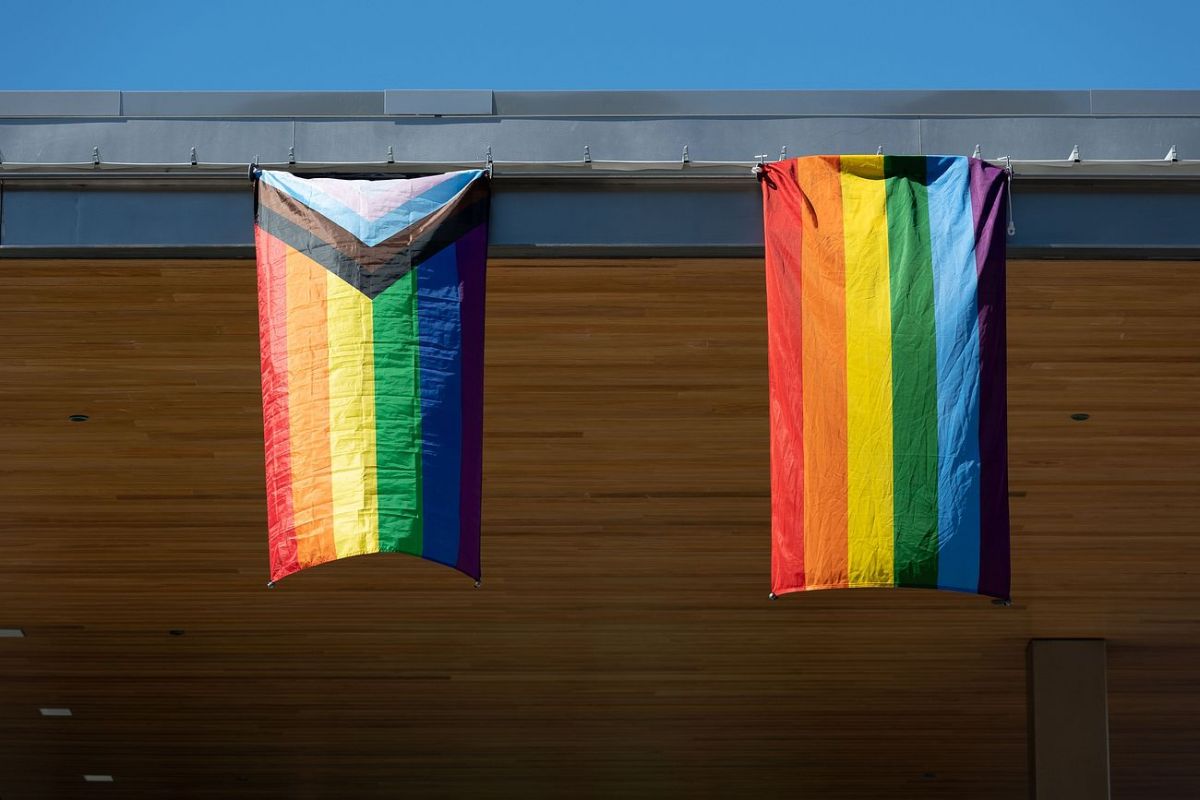
This Part 2 post continues exploring the pervasive impact of Wholistic Health Equity Determinants (WHED) on the LGBTQIA++ community. Focus is on the rising incidence of trauma and mental health conditions across the community and the expanding advocacy, funding, as well as resources to mitigate the WHED.

I appreciate the buzz about my last blog; it’s a quick read if you missed it. To catch you up, the LGBTQIA++ community face pervasive Wholistic Health Equity Determinants (WHED): SDoH, SDoMH, PDoH, and the systemic racism that perpetuates them. Discrimination, dismissal, and rejection trigger trauma across every demographic, and intensify integrated health incidence across this population. This Part 2 post explores the unprecedented exacerbation of behavioral health conditions and escalation in mental illness for the the LGBTQIA++ community. Additional focus is placed on novel resources to mitigate the physical, behavioral, and psychosocial health disparities faced by this population.

The Behavioral Health Landscape

     Let’s be clear, the LGBTQIA++ community is a marginalized population with morbidity and mortality rates that are worse than other groups. Increasing attacks on the community’s legal rights have amplified the impact of historical, experiential, and event traumas for the population. 

The following data sources span The Trevor Project’s 2023 U.S. National Survey on the Mental Health of LGBTQ Young People, the 2020 National Survey on Drug Use and Health, and other research.

Suicide

There has been a dramatic uptick in suicidal ideation and gestures among LGBTQIA++ individuals, especially for the community’s youngest members:

  • 41% considered attempting suicide:
    • 46%: Ages 13-17 and 34%: Ages 18-24
    • Of those who attempted suicide: 
      • 17%: Ages 13-17
      •   9%: Ages 18-24
      • 22%: Native/Indigenous 
      • 18%: Middle Eastern/N. African
      • 17%: Multiracial
      • 16% Black
      • 15%: Latinx
      • 11%: White
      • 10%: Asian American/Pacific Islander

Mental Health and Access to Care

The incidence of mental health faced by the community is alarming with higher rates for depression and anxietycompared with non-community members. The prevalence of post-traumatic stress disorder impact upwards of 47% of the community.

Yet, the rates for mental health realities faced by LGBTQIA++ youth concern me greatly:

  • 67%: symptoms of anxiety
  • 25%: symptoms of depression
  • 56% who wanted mental health care were unable to get it:
    • 47%: afraid to talk about their mental health with someone else
    • 41%: didn’t want to get their parent’s/caregiver’s permission
    • 40%: afraid that they wouldn’t be taken seriously
    • 38%: couldn’t afford it
    • 27%: were not out about their authentic self and were afraid of being outed
    • 23%: didn’t feel they would understand their sexual orientation or gender identity
    • 20%: parent/caregiver didn’t allow them to go
  • <50% of transgender and nonbinary youth found their school to be gender-affirming
  • 30% said their mental health was poor most of the time or always from anti-LGBTQ policies and legislation.
  • Nearly 66% affirmed how hearing about potential state or local laws banning people from discussing LGBTQ people at school made their mental health worse.

Persons with Disabilities

Members of the LGBTQIA++ community have a higher likelihood of disabilities, whether physical, cognitive, or intellectual. Incidence is upwards of 40% of persons, though fewer of these disabilities are often expressed by individuals or formally identified.

As an already marginalized group, individuals with disabilities may feel “unseen” and experience more profound stigma and discrimination. Cumulative effects of this marginalisation can occur over the life course, with older members of the community experiencing higher rates of disability, depression, anxiety and isolation than the general community, and decreased social support. They are less likely to advance academically, with fewer persons attending college or attaining beyond a 2 or 4-year degree.

Transgender, non-binary, or gender non-conforming people with disabilities can often feel silenced. Abundant literature affirms they are more likely to experience chronic illnesses, including cardiac disease, high blood pressure, high cholesterol, diabetes, stroke, arthritis, and asthma compared to persons living without disabilities.

Substance Use

The community experiences substance abuse at higher rates than their heterosexual counterparts:

  • LGB Adults: 2X as likely
  • Trans Adults: 4X as likely

21.8%: Diagnosed with an alcohol use disorder vs. 11% of the general population

Advocacy and Action

Advocacy and action have ramped up for dedicated funding, legislation, and program development. Educating industry stakeholders is vital, as is ensuring mentoring and support for LGBTQIA++ youth, adults, and their families. Registries of providers, practitioners, and treatment specialists who offer concordant care are essential. Here is a list of novel community-focused efforts:

  • The Department of Housing and Human Development has launched a new LGBTQIA++ Youth Housing initiative. HUD will partner with local communities, service providers, and young people directly impacted by residential insufficiency to address barriers to housing and shelter access. The recent press release lists further details
  • GLADD provides a clearinghouse of population-specific resources for advocacy, legal, and other general information across the life span. Military members and veterans can access specific linkages to various entities such as OutServe and the Service Members Legal Defense Network.
  • The Human Rights Campaign strives to advocate and promote equity for all persons within the movement. Their massive resource database encompasses topics to empower allies and other community stakeholders from coming out to maneuvering college, elections, hate crimes, health and aging, parenting, religion and faith, and workplace support. 

HRC’s Foundation supports the National LGBTQIA++ Health Education Center, which provides educational programs, resources, and consultation to healthcare organizations to optimize quality, cost-effective care for the population. Accessible webinars span topics as behavioral health, population-based health, trauma-informed care for Trans and Gender Diverse Patients, reproductive health.

  • NAMI offers general guidance on mental health issues faced by the community, and considerations for seeking LGBTQIA++-competent care.
  • Rainbow Labs in Los Angeles, addresses the bullying, isolation, and lack of support often faced by Queer and Gender non-conforming youth (QGNC). The organization provides mentorship, support groups, and linkage with safe individuals, advocates, and programs. One Bold Summer is a free 8-week summer mentoring initiative for QGNC youth (ages 12-18) that pairs QGNC youth with mentors. 
  • SAGE is the largest and oldest U.S. organization dedicated to improving the lives of LGBTQIA++ older adults. The group has been on the forefront of advocacy for elders, quality of long-term care, housing, and other resources. Their National Resource Center on LGBTQ+ Aging hones in on the unique needs of community older adults such as caregiving, elder abuse and neglect, benefit programs, financial, and other health-related social needs.  
  • SMYAL is among a growing number of locale-based housing programs that ensure safe, LGBTQ-affirming support, through tiered residential options: transitional housing, extended transitional housing, and rapid re-housing. Residents can access a range of courses and community engagement opportunities including nutrition and cooking classes, financial literacy, healthy relationships and communication, and resume workshops.
  • The Trevor Project provides 24/7 information, support, and resource connection for LGBTQIA++ Youth around the world. Mechanisms allow for immediate access to trained counselors via call, text, or chat, and linkage to an international community for LGBTQ young people

What’s Next?

I have been a fierce ally of the LGBTQIA++ community for well over 45 years, with countless family, friends, and colleagues in this space. Despite efforts to address the massive WHED faced by the community, innumerable challenges remain. The list of resources in this post is a broad swipe of efforts on the move.

Blog readers are encouraged to contribute resources as they know of them. The work to mitigate WHED for this population will take the collective and concerted action of us all!

Wholistic Health Equity Determinants and the LGBTQIA++ Community

Too little emphasis has historically been placed on this population’s challenges in addressing these determinants, as in accessing quality concordant health and behavioral health care, managing their psychosocial health and reflective resource needs, and activating action to mitigate their abysmal health outcomes. Systemic racism further perpetuates each of these disparities, triggers trauma that activates physical illness, while also compromising individual safety. It is time to shift this trend.

A number of this blog’s followers expected me to review the recent (May 2023) Federal Reserve Report, The Economic Well-being of US Households in 2022 this week. The report poses interesting implications about the Wholistic Health Equity Determinants discussed in my last post. While this topic is of interest to my health equity lens, a more critical focus beckons.

With PRIDE in full stride, the dire needs of the LGBTQIA++ community will receive prime attention today, and for my next several blog posts. Too little emphasis has historically been placed on this population’s challenges in addressing these determinants and continues to be the norm. The community still struggles in accessing quality concordant health and behavioral health care, managing their psychosocial health and reflective resource needs, and activating action to mitigate their abysmal health outcomes. Systemic racism further perpetuates each of these disparities. It triggers trauma that further exacerbates physical and behavioral health, while also compromising individual safety. Time to shift this trend.

Recent Realities

The recent article in Health Affairs by Auerbach & Fox nailed it: “significant evidence suggests that virtually all LGBTQ++ populations are at elevated risk of preventable illness, injury, and death.” This article and previous works by the Kaiser Family FoundationUniversity of Wisconsin’s Institute for Research and Poverty, and HRC arm us with considerable data to advance action!

Poverty and Food Insecurity

An increasing incidence of the LGBTQIA+ community live close to the federal poverty level:

  • 34% have incomes below 200% (of the FPL) vs. 25% of non-LGBTQIA++ people.
  • 39% earn $30,000 a year or less annually. 
    • 28% of lesbian and bisexual women compared to 21% of heterosexual women. 
    • 23% of gay and bisexual men compared to 15% of heterosexual men.
  • 32% of transgender persons earned an annual income of under $10,000 compared to 23% of heterosexual persons.
  • Lesbian couples have the highest poverty rates followed by heterosexual couples and male same sex couples.

In general, across the community:

  • 30% are unable to pay their bills.
  • 67% used all or most of their savings for healthcare expenses.
  • 52% had trouble paying medical bills in the past 12 months or had difficulty paying for necessities (e.g., food, heat, or housing) 
  • 41% borrowed money from family or friends.
  • 2x as likely to experience food insecurity than other populations at rates upwards of 30% of the population. One recent study reported female sexual minorities as: 
    • 52% more likely to experience nutrition obstacles, and
    44% more likely to report household SNAP assistance than their heterosexual counterparts. 

Unemployment

Unemployment rates loom large for the community:

  • 22% of adults vs. 16% of straight and cisgender counterparts
  • 29% of transgender adults, 30% of bisexual women

Amid the pandemic these numbers soared with surveys revealing as high as:

  • 28% of LGBTQIA+ report that they, or another member of their household experienced a job loss vs. 23% of the rest of the population, and
  • Close to 50% report their work hours reduced.
  • 45% of the population reported challenges paying their rent or mortgage vs. 32% of the remaining population.

Quality of and Access to Necessary and Concordant Care

The Kaiser Family Foundation yielded concerning results in the context of chronic illness management:

  • 47% have an ongoing health condition that requires regular monitoring, medical care, or medication.
  • 21% have a disability or chronic disease that keeps them from participating fully in work, school or housework.
  • 34% of those on Medicaid with a disability or limiting chronic disease report the following experiences with providers:
  • Not believe they were telling the truth (16% )
  • Suggest they were personally to blame for a health problem (13%)
  • Assume something about them without asking (21%)
  • Dismiss their concerns (29%)

Trauma and Chronic Illness Exacerbation

The community’s higher rates of exposure to psychosocial stressors contribute to higher rates of chronic and autoimmune illnesses. The higher incidence of individuals to poverty, unemployment, homelessness, interpersonal violence, as well as family and peer abandonment, contribute take their toll across LGBTQIA++ populations.

Research notes high incidence and prevalence reported for the onset and exacerbation of migraines, respiratory issues, HIV/STIs, diabetes, heart attacks, hypertension, arthritis, visual/hearing impairment, and stomach/gall bladder trouble, along with substance use and addiction. Neurological symptoms can be especially fierce in response to the expansive psychosocial stressors faced by individuals.

But Wait, There’s More

The pervasive WHED struggles of the community contribute to higher rates of discrimination, trauma, and, ultimately, more intense behavioral health conditions and mental illness. The incidence of suicidal ideation, gestures, and completed actions are at record levels, and for the youngest members of the LGBTQIA++ community. This topic deserves its own blog post and where I’ll go next time.

In addition, there must be defined recommendations for industry action. Reports have noted a variety of recommendations that ensure protective factors are in place for members of the community; these may include having healthcare providers and practitioners promote inclusion and belongingness, as well as expanding access to concordant treatment specialists. Emphasis has also been placed on individuals reducing isolation, leaving rural areas and residing in more urban areas, seeking higher levels of education, being employed, being married, not growing up in poverty or becoming a parent at a young age. 

These  factors make for a nice wish list but may not directly eliminate the immense disparities that have plagued the community for centuries. More can and must be done. Stay tuned for my next bi-weekly post. 

Time to Advance Wholistic Health Equity Quality

In response to this growing price tag the industry has evolved a fresh generation of quality frameworks, metrics, and models to forge a more comprehensive health equity vista. However, all of these efforts fall short of that goal. Every organization and entity still uses different metrics to measure and benchmark their actions. The actions of NCQA, the National Quality Forum, and CMS (through their Health Equity Pillar) are not for naught. Yet, there remains no viable, formal roadmap adopted to align cross-sector efforts and steer a successful course toward wholistic health equity; at least not until now. 

Whole person care is the ideal model to attain health equity across populations, though current quality metrics are not aligned to the wholistic health compass. Despite decades of research and successful outcomes, Integrated care’s domains of physical and behavioral health continue to remain remain siloed. While the social determinants of health and mental health (SDoH and MH) dramatically impact health and behavioral health outcomes across every practice setting, they are inconsistently factored into national quality models. 

What Comprise the WHEDs

Systemic racism, historical, developmental, and event traumas are also well recognized in the literature as correlates of health disparities. The Political Determinants of Health (PDoH) add their fury to the fire by fueling worsening clinical outcomes as a person’s social position decreases. Yet despite these facts, the US health system lacks a unified health equity vision that consistently includes assessment of these fundamental constructs. Add systemic racism, and the PDoH to the SDoH and SDoMH, and we gain a comprehensive lens for addressing health disparities: wholistic health equity determinants (WHED).

The WHED contribute to poor clinical outcomes and fiscal losses across each touchpoint of care though increased chronic illness severity, morbidity, mortality for every life stage. Vast differences appear across rural and urban regions. Safety-net hospitals have profoundly higher hospitalization utilization rates for length of stay, intensity of treatments, and costs, including readmission rates and associated penalties.

ACEs, historical, developmental, and other event traumas increase onset and exacerbation of chronic respiratory illnesses, diabetes, obesity, and mortality. Members of the LGBTQIA++ population are at higher risk than other groups of developing severe mental illness, and for experiencing an exacerbation or new onset of mental illness. Reasons for these disparities include the community’s chronic exposure to implicit bias, discrimination, and racism, as well as increased social isolation and exposure to interpersonal violence.

Given the realities addressed above, anything less than a vantage focused on the WHEDs is short-sighted. This limited gaze will not enhance quality of care for the rising number of vulnerable and disenfranchised populations across the globe.

Mandate for Action

National health expenditures now exceed $4.3 Trillion annually and will further rise. I can hear some of you muttering how this number is related to the pandemic only. Here’s food for thought: pre-pandemic these numbers had already topped over $3.8 Trillion related to chronic illness exacerbation and the SDoH. The incidence of these factors has only intensified and escalated from the pandemic.

In response to this growing price tag the industry has evolved a fresh generation of quality frameworks, metrics, and models to forge a more comprehensive health equity vista. However, all of these efforts fall short of that goal. Every organization and entity still uses different metrics to measure and benchmark their actions. The actions of NCQA, the National Quality Forum, and CMS (through their Health Equity Pillar) are not for naught. Yet, there remains no viable, formal roadmap adopted to align cross-sector efforts and steer a successful course toward wholistic health equity; at least not until now. 

Advancing the Wholistic Health Equity Quality Roadmap©

Imagine an 8-step color-coded roadmap that aligns with a dedicated total quality management process. This novel framework holds organizations across sectors accountable for improving care access and provision, and can be tailored to any organization. Quality data on the front-end is culled from evidence-based screening and assessment of health-related social needs, and uses diagnostic data (e.g., ICD-10CM-Z Codes). Revenue cycle management is as vital as interprofessional intervention, inter- and intra- agency collaboration, DEI priorities, then eclipsed by use of whole-person and inclusive- population health outcomes data. 

You’ve all been patiently waiting for me to unveil my Doctoral Culminating Project, and your wait is over! My Wholistic Health Equity Quality Roadmap© will be formally unveiled in distinct versions at the upcoming industry events, including:

A 2-part article series will also be published in Wolter Kluwer’s Professional Case Management Journal this Fall. 

The industry and its stakeholders are out of options! Implementation of the Wholistic Health Equity Quality Roadmap©  at a national level is a moral, ethical, and financial imperative that will ensure inclusive, quality-driven, patient-centered, and concordant interventions for all populations.

New Book Frames a Vivid Ethics Spectrum for the Interprofessional Case Management Workforce

Case managers strive to be ethical, and can recite the industry’s ethical tenets of autonomy, beneficence, fidelity, justice, and nonmaleficence by heart. Yet, too often case managers get caught in the crosshairs. Enter, Dr. Ellen Fink-Samnick with a timely resource and Amazon’s #1 best seller (Medical Ethics, Nursing Administration & Mgmt.) for all professional stakeholders: student, novice and more seasoned case managers, consultants, and those in leadership roles.

Ethics has long been viewed as not black and white, but rather varied shades of gray. However, these interesting times mandate a novel stance. Ethics now comprise a spectrum of vivid colors that reflect its fierce disruptions to practice, and for every member of the health and behavioral health workforce. Managing this intense reality is a constant struggle for all practitioners, especially those in case management. My latest book and Amazon’s #1 Best Seller in Medical Ethics offers clear guidance; enter The Ethical Case Manager: Tools and Tactics

Case management’s workforce faces many accountability challenges not experienced by other professions. First, case management is an umbrella profession comprised of varied disciplines (e.g., counseling, nursing, occupational therapy, and social work). Each discipline has a distinct code of ethics or professional conduct, as well as dedicated standards of practice. Let’s add another layer of complexity that includes the over 25 case management-related credentials for individuals (e.g., ACM, CCM, CDMS, CMGT-BCTM, CRC), those for organizations (e.g., NCQA, URAC)and their unique requirements. Of course, there are also a lion’s share of professional associations across the industry. The landscape gets even more precarious when including the hierarchy of case management roles that span community health workers, case management assistants, and community based case managers, to board-certified case managers, and those in leadership positions. 

The question beckons: Where should your ethical compass point? The range of established resources of guidance defined by each of the above entities makes the answer to this question challenging to answer. It also yields two confusing conundrums for the workforce:

  1. Defining the ethical and legal parameters for case management practice, and 
  2. Reconciling these parameters with employer policies and procedures across the industry.

Here’s where, The Ethical Case Manager: Tools and Tactics comes to the rescue. The book’s content is written for an interprofessional audience that spans the educational spectrum of degrees held by those in the field. This approach provides a context for accountability, while addressing the most complex ethical dilemmas to date. Attention is paid to workplace bullying, digital healthcare innovation, management of implicit biases, microaggressions, health equity and inclusion, plus interstate practice, and other population health situations. The pandemic’s wrath is woven within chapters where relevant. Didactic knowledge is blended with Federal and state regulations, innovative models, practice templates, and dedicated resources.

Each of the book’s 10 chapters includes real-life case scenarios and contemplation questions that allow learners to dig in and apply the content. 20 Ethical Tactics provide tangible touchpoints for learning. Every reader will reap their own reward, from students, to new or more seasoned case managers, consultants, as well as those in leadership roles.

The Ethical Case Manager’s 318 pages encompass the most vital areas for case managers:

  • Section 1: Essentials of Ethics
    • Chapter 1: Terms and Definitions
    • Chapter 2: Established Resources of Guidance
  • Chapter 3: The Value Proposition for Ethical Case Management
  • Section 2: Realities of practice
  • Chapter 4: Population-based Practice
  • Chapter 5: Diversity, Equity, Inclusion, and Justice (co-authored with Michael Garrett)
  • Chapter 6: Workplace Bullying
  • Chapter 7: Health Information Technology
  • Chapter 8: Interstate Practice
  • Section 3: Activation of Ethical Decision-making
  • Chapter 9: Enduring Models
  • Chapter 10: Case Scenarios and Direct Application
  • Epilogue

The Ethical Case Manager: Tools & Tactics will be your primary resource, whether you seek to:

  • Educate students
  • Onboard new staff
  • Benchmark ethical practice
  • Resolve ethical dilemmas
  • Guide compliance practices 
  • Ensure successful fiscal, clinical, and operational outcomes 
  • Employ ethical decision-making models
  • Leverage interprofessional teams
  • Inform individual practices

***********************************************************

The Ethical Case Manager: Tools and Tactics is only available on Amazon and for a special introductory price of $43.18. Pricing increase to $69.99 on 5/31/23.

Attending the upcoming Case Management Society of America Conference in Las Vegas? You will have access to 2 exciting book signing events: 

  • 6/27/23-Pre-Con, Telehealth 2024: Advancing Case Management’s Practice Proficiency, 2:15-3:15 PM
  • 6/29/23-Exhibit Hall book signing at the Case Management Institute table, 11 AM to 2:30 PM. Discounted rates, bulk orders, and bundled specials will be available

#ethicsmatter

#ethicalCM