Working Around the Words to Ensure Health Equity

Considerable time, effort, and energy is being spent on reframing word use in response to Federal mandates and their ripple-effect across the industry. Shifting words should not negate our professional commitments and obligations to the patients, their families, and the workforce. Our actions must continue to advance the Quintuple Aim and what matters most.

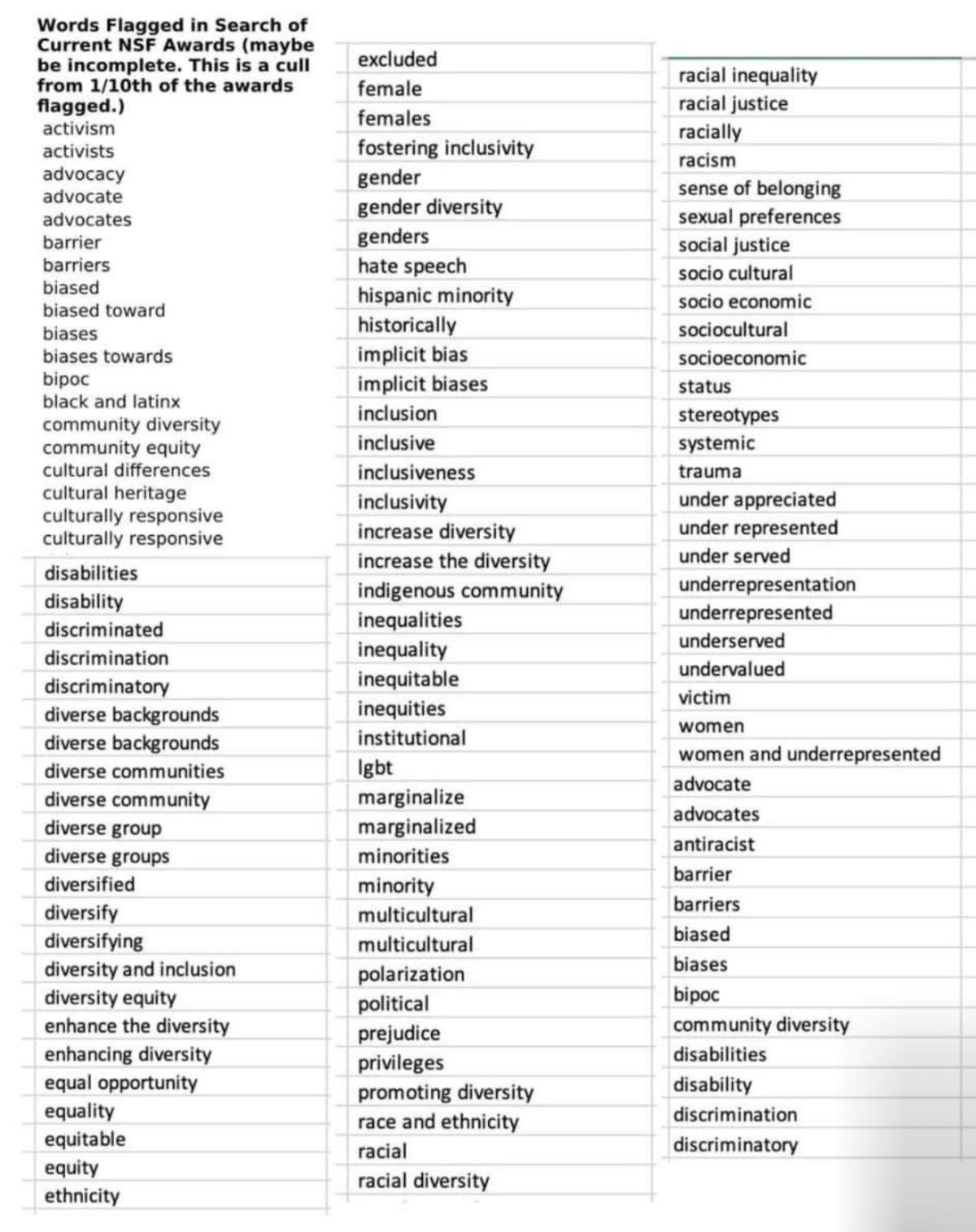
Much has been written lately about reframing word use in response to the latest generation of Executive Orders (EO) and other actions by the Federal Government. Yet, what happens when most of the words at issue are aligned with population health funding priorities as in accessibility, health equity, inclusion, or vulnerable populations? What happens when the words are commonly used in daily language, like advocate, expression, gender, or status? What happens when the words inform competencies for public health professions, as in cultural competence, implicit bias(es), oppression, or social justice? What happens when the words speak to evidence-based interventions that support populations across healthcare settings, such as anti-racism, cultural responsiveness, feminist, social justice, and trauma-informed? What happens when the words align with ethical codes of conduct and standards of practice for healthcare professionals whether discrimination, person-centered care, underserved, and vulnerable? What happens when shifting the words eliminates populations, persons, and their identities as in gender affirming, LGBTQIA, pronouns, Trans, or other terms. What happens when the list is ever-expanding and unpredictable? It is an understatement to say resolution is complicated. 

How many ways are there to say, equitable, accessible, and quality-driven whole person healthcare? It presents there are many ways. Of course, the mantra remains that the more things we call these drivers and influencers of poor health outcomes and the persons who experience these factors the most, the less people will know what they are. These words have specific meanings; using so many different terms can invoke unintended misunderstandings. While the explicit intent of this new macro-focus is “to help Americans lead healthier lives” there is a clear and present worry that all populations may not be included in this mix. 

Managing The Latest Information Flow

The constant attack on words is exhausting and frustrating to already weary professionals, practitioners, and providers, but most definitely patients and populations. This is an equally troublesome effort to those in higher education preparing future generations of the workforce. 

The latest funding and programming shifts have left many reeling, including the March 2025 announcement to cease funding on four critical value-based care models: Primary Care First, End Stage Renal Disease Treatment Choices, the Maryland Total Cost of Care, and highly-anticipated Making Care Primary model. These shifts will impact millions of Medicaid and Chips recipients, plus Medicare beneficiaries with complex, costly chronic illnesses and the primary care practices that care for them.

This week saw Joint Commission reframe their highly coveted Health Equity Resource Center to reflect new verbiage of, The Optimal Delivery of Care for All; yes, the familiar language of “page not found” now appears when you one goes to the original website. History of Joint Commission’s focus in the health equity space is provided with emphasis on the entity’s ability to provide individual consultations to meet the new industry framing. In addition. CMS’s Health Equity Framework has been reframed as CMS’s Framework for Healthy Communities. The five pillars have also been reframed. In edition, their Health Equity Index used for Medicare Advantage Star Ratings has been rebranded as…..wait for it….The Excellent Health Outcomes for All Reward ((EHO4all). There is concern that the coveted 1115 Waivers might be next on the chopping block; time will tell.

Valuable time is being spent daily by colleagues to review, consider, and revamp programming to stop the ongoing rise of National Health Expenditures, expected to hit $5.3 Trillion. Much of my current bandwidth is spent staying current on policy and EO interpretations, but also supporting colleagues through job losses, or their fear of potential job losses. My students are coping with a constant flurry of issues from disappearing funding for their education and work-study programs to general concerns for their chosen career trajectory. 

Here’s the Real Deal

Changing the terminology will not eliminate the wrath of health disparities and inequities experienced by historically minoritized and marginalized populations. Shifting words alone will do little to improve the poor clinical outcomes experienced by some populations more than others. Adjusting how populations are addressed will not decrease healthcare utilization or improve fiscal outcomes. Eliminating some populations from the conversation or funding will not dismiss the persons from those communities who experience worse illness morbidity and increased mortality rates. Reframing new initiatives will not identify the drivers of systemic racism, political determinants of health, and other social influencers of poor health for populations. In fact, each of these actions will further deteriorate the outputs of our current healthcare system. The US will continue its downward spiral of having the highest healthcare utilization and costs, along with the worse outcomes compared to other developed nations.

While we reconcile our fury about having to change longstanding terminology, the work to address the true priority at hand must continue. We must work to implement actionable strategies that heed our ethical obligations as healthcare professionals and providers. We must continue to advocate for ALL patients and their families so they receive access to the highest quality care available. That care must also be delivered to all in a fair and equitable way. 

Strategies to Advance the Health Equity Equation

Emphasis needs to focus on defining, measuring, and incentivizing progress to improve access to quality care. A recent article in Health Affairs Scholar, posed clear direction with examples for each element provided. I encourage all to take a deeper dive into the piece to integrated these steps within your organization or practice:

  1. Define clear measures of equitable access and tracking progress at both organizational and national levels.
  2. Develop and implement equity-focused quality measures and aligned incentives to support progress and create accountability for addressing barriers in access to care (e.g., quality metrics, outcomes data).
  3. Health care leaders should undertake efforts to measure the availability and quality of health care services for people who experience inequitable access to health care and track progress towards addressing barriers to access (e.g. dashboard).
  4. Build and leverage cross-sector partnerships that allow collaboration on investing to address shared patient and community needs.

My daily dialogues with valued colleagues are a reminder to continue prioritizing ourselves and our energy. This will fuel our focus on the critical work at hand. Here are a few of my own strategies to push through this muck!

  • Stay informed through your valued sources of intel but limit the amount of time spent viewing the information each day. While old habits have me check CMS Newsroom Posts weekly, there are other personal favorites: The Commonwealth FundPeterson/KFF System TrackerEpstein Becker Green, and others.
  • Explore what actionable strategies are up your sleeve
  • Don’t silo your efforts: continue to discuss and strategize with colleagues who share your passion. Those relationships and conversations will continue to nurture and motivate your efforts.
  • Try not to get lost in the alphabet soup of verbiage! Yes, it is toxic and traumatizing and will get the best of us if we let it! Instead, focus on actions to advance past the toxic energy around us. This may mean using alternative words or language, as posed in the list provided in the Federal Grant Trigger Words Replacement Workbook (yes, many alternatives were provided by ChatGPT).
  • Stay up to date; the 4/3/25 document published by the EEOC and DOJ, What You Should Know About the Recent DEI-Related Discrimination at Work is a must read. 

In the end, it is our actions that matter most to achieving the industry’s quality north star of the Quintuple Aim: patient- and family-centric care delivered at the right time, for the right cost, delivered by those who embrace the work, and assuring equitable access for all. Shifting words should not negate professional commitments and obligations to our patients, their families, and the workforce.

The DEI Crackdown in Academia Will Further Harm Patients and the Quality of Their Care: No “Could” About it!

There is no “could” about it; the current DEI crackdown in academia will yield negative outcomes for the workforce, but also worsen the quality of care rendered to patients, their families, and the communities we serve. 

A recent article published by MedPage Today and KFF Health News sent my brain into orbit. Entitled, Amid Falling Diversity at Med Schools, a Warning of DEI Crackdown’s Chilling Effectthe sub-title noted, “Education and health experts say this could ultimately harm patient care”. Use of “Could” in light of overwhelming evidence infuriates me. There is no “could” about it; the current DEI crackdown in academia will yield negative outcomes for the workforce, but also worsen the quality of care rendered to patients, their families, and the communities we serve.

The Value of Concordant Care

Concordant care involves aligning treatment with patient values and preferences. It is demonstrated in many ways, from open communication to having providers of the same race, ethnicity, sexual orientation, as well as gender identity, or gender expression. As a result, patients and their families feel psychological safety within a practice setting. Empathy is a vital competency for every healthcare professional that should be demonstrated toward every patient. But the ability to do so does not always assure concordant care. This is especially true when practitioners are employed by larger healthcare systems and organizations.

A patient’s need for health and behavioral health treatment brings them to practitioners for care. Yet, it is a patient’s trust in these practitioners that fosters their engagement in the care process. In addition, a patient’s comfort with providers of the same ethnicity, gender, race, or life experiences promotes their ability to feel safe, seen, heard, valued, and respected in the treatment space. In tandem, the practitioner’s knowledge of a patient’s culture, values, and beliefs inform their awareness of patient health literacy opportunities. This might translate to addressing spiritual and cultural differences in care, such as the need for prescription medications or treatments for chronic illness or even behavioral health. 

Discordant care contributes to medical gaslighting and invalidation. Dismissal of the patient and caregiver voice is the top patient safety issue for 2025, and a frightening fact. Increased numbers of Black primary care physicians are associated with longer life expectancy and lower mortality rates among Blacks. Similarly, when providers can identify with their patients, there are higher degrees of patient engagement, patient satisfaction, and treatment adherence for women, members of the LGBTQIA+ community, and other traditionally marginalized groups.

Healthcare utilization is higher and care costlier for these populations due to a trail of ignored complaints and symptoms and missed diagnoses. Their mortality rates are upwards of double that of numbers for less marginalized groups. These figures will only worsen as the patient voice is reduced, and particularly for traditionally marginalized populations and communities. My prior articles have detailed these abysmal numbers, with an upcoming article on this topic to be published in the May/June issue of Professional Case Management.

Systemic Bias

Countless thought leaders have emphasized the need for attention to treatment bias in healthcare. The Institute of Medicine’s seminal 2003 report, Unequal Treatment noted how African Americans and those in other minority groups receive fewer procedures and poorer-quality medical care than Whites. Stereotypes and stigma have impacted care across every cultural nuance encompassing ethnicity, gender, disability, race, and sexual identity to name just a few. These faulty beliefs have impacted every aspect of care from inaccurate treatment algorithms that fail to account for gender, race, and ethnicity to effective pain and other symptom management. Proper prescription medication dosing and other treatment is also at issue with condition not properly addressed. Patients are unnecessarily blamed for their symptom presentation rather than being fully assessed for individualized care.

The Mandate for Workforce Diversity and DEI Programs

A series of professional reports have identified opportunities to advance diversification of the healthcare workforce. The Council on Social Work Education revealed while 90% of social workers graduating with their MSW were women, opportunities for enhancing diversity continue to present. Only 22% of these same students were Black and 14% were Hispanic or Latino. The National Council of State Boards of Nursing revealed similar numbers with nurses from minority backgrounds representing under 20% of the RN workforce. Composition with respect to racial backgrounds is: 

  • 80.6% Caucasian
  • 6.7% African American 
  • 7.2% Asian
  • 5.6% Hispanic
  • 0.5% American Indian/Alaskan Native
  • 0.4 Native Hawaiian/Pacific Islander 
  • 2.1% two or more races; and 
  • 2.5% other

The Physician workforce also fails to reflect the inclusive nature of patient populations:

  • White: 56.5%
  • Asian: 18.8%
  • Hispanic or Latino: 6.3%
  • Black or African American: 5.2%
  • Multiracial (non-Hispanic): 1.3%
  • Other: 1.1%
  • American Indian or Alaska Native: 0.3%
  • Native Hawaiian or Other Pacific Islander: 0.1%
  • Unknown: 10.4% 

Gender composition notes a greater percentage of those identifying as male vs. female: 60.5% compared to 39.5%. 

There is growing availability of health and behavioral health professionals who provide affirming, accepting, and inclusive care to all patients, yet access remains challenging. Outcare and FOLX health provide directories of LGBTQIA+ friendly providers. Data detailing workforce composition for this community remains limited, though one report notes barely 14% of all medical students identify within the community.

In direct response to the percentages above, professional schools advanced DEI programs. Academia has worked for the better part of the last decade to shift from a curriculum of racial bias and develop antiracist and anti-oppressive programming. New coursework was developed with expansion of learning experiences, practicums, residencies, and specialized learning forums. These approaches prepared clinicians to better understand the patients they treat. Deshazo et al. (2021) identify how “deeply rooted bias is within the infrastructure of American Medicine, based on skin color, religion, immigrant status, gender, and ethnicity are deeply rooted, and taught as scientific racism medical schools from their earliest points in history.” This new societal playbook is a return to those times where fear of segregation and rampant inequities in access to quality care are the norm, along with putting minorities and women “back in their place”.

The UC Davis School of Medicine initiated a “race-neutral, holistic admissions model”, which tripled enrollment of Black, Latino, and Native American students. Assorted other efforts increased funding and entry to healthcare career pathways for students unable to otherwise afford or access them. There are an endless list of merits for the communities served by these new clinicians, including growth of diverse workforce that matches the patients served. 

Communities Take Care of Their Own

I’ve long said that communities take care of their own and this reality can’t be overstated. Practitioners of color are more likely to build their careers in medically underserved areas, from rural communities to lower socioeconomic areas.  The 2024 report by AAMC is clear: a shortage of >40,00 primary care doctors is expected by 2036 unless dramatic changes occur.

One way to assure workforce intercultural effectiveness has been through CEU-requirements for licensure and renewal. Yet even these requirements are now at risk. The Texas Behavioral Health Executive Council voted for removal of language requiring cultural competence as a CEU-requirement for licensed mental health professions with other states working to advance similar actions. This move de-emphasizes cultural context as a critical element of providing and assuring ethical and responsible care and intervention to each person. These shifts will create gaps in the knowledge and skills needed for the workforce to effectively engage with and serve patients from diverse backgrounds, cultures, and genders. Respect for the unique experiences, beliefs, and values that distinguish populations and communities will surely be at risk.

Moving Forward

As my colleagues in this space know, strategic action remains a moving target. We stay informed, yet angry at the daily assault on inclusion. Yet, that anger drives my actions, which are absolute: 

  • I stay committed to the Quintuple Aim: providing patient- and family-inclusive care at the right time, right cost, rendered by those who embrace the work, and ensuring equity and accessibility for all. 
    • I continue to heed my professional ethical obligations to patients, their families, and colleagues. Every day, I define one tangible way to step up in this shifting space to advance diversity, equity, inclusion, accessibility, belonging, and social justice, and through my every action, whether by:
      • Use of my professional voice through teaching, training, or authorship.
      • Supporting the workforce through ethical challenges faced in their workspaces.
      • Mentoring newer practitioners on clear strategies for their own sustainability.
      • Advocacy through my assorted roles across the industry 

How will you step up and into this space today?

The Ongoing Saga of Healthcare’s Ethical, Legal, and Regulatory Dilemmas Due to those Executive Orders

Recent Executive Orders and related actions have brought new ethical, legal, and regulatory challenges for healthcare professionals.

I traditionally avoid posting on social media about anything that might be viewed as “political”. However, my view has changed amid the latest string of Executive Orders and related actions. Each of these EOs seeks to deny the presence of certain populations, restrict equitable care access for historically marginalized and minoritized communities, as well as obstruct educational and professional pathways to career opportunities for all persons.

Colleagues have authored countless articles and blogs on the intent and reach of Executive Orders, impact on DEI efforts, and related themes. The resources are worth a deeper dive for those with interest. My focus for this article is on how the issue puts healthcare professionals directly in ethical, legal, and regulatory crosshairs, and especially my colleagues in case management.

The “Flagged Words” and Existing Regulations and Requirements

The lengthy and growing list of “flagged words” to avoid in grant requests, professional references, education, and continuing education is concerning. Most of the included terms appear in rigorous CEU-requirements for the healthcare workforce, and across more than half of the U.S: accessibility, anti-oppressive practices (implicit) bias, cultural competency and/or humility, discrimination, diversity, equity, immigration, inclusion, and social justice, to name a few. For CEU-approval, these words are required to appear in presentation and training abstracts or their learning objectives. Among other cautionary words are advocate, female, gender, political, socioeconomic, status, trauma, women, and victim.

Much of the terminology is embedded within our established resources of guidance: regulatory language for licensure practice acts, federal mandates, academic and organizational accreditation, case management and other individual exam-based certifications, ethical codes of conduct, and professional standards of practice. Examples of these include:

Licensure Renewal or Not?

Many of the terms at issue appear across professional practice acts and regulations. I’d cue my colleagues to check their current CEU-requirements for any state(s) of licensure or certification; the language is crystal clear. There are large consequences for persons unable to fulfill their renewal requirements, including fiscal costs by loss of employment. There are also potential sanctions or reprimands should one choose to abandon, refuse, or rescind care (without an alternative provided) to patients in need of emergent treatment and intervention. 

Ethical and Legal Exclusions

It is understood that not every professional shares the same belief system and mores. Yet, caveats have long been written into the established resources of guidance for religious or moral exclusions and other acknowledged beliefs that could bias or obstruct a person from rendering the acceptable standards of care delivery. All professionals are accountable to complete a safe and appropriate transfer of care to minimize the potential for patients to be put at risk of physical or emotional harm. This language, or some similar verbiage, appears across professional standards of practice and ethical codes for all disciplines and advanced specialty practices, including those for my case management colleagues.

It is also understood that some professionals reside in states where certain language has been excluded under federal law. However, our professional and ethical obligations to patients, their families, and other support systems remain paramount.

In a concerning move, the Texas Behavioral Health Executive Council voted to give preliminary approval for removal of language that requires cultural competence as a CEU-requirement for several licensed mental health professions, including counseling, marriage and family therapists, psychologists, and social workers. Prior requirements for renewal were for 24 total hours of CEUs, of which 6 were dedicated to ethics and 3 for cultural diversity or competence. The proposed revision is to “ensure competency when providing services to a distinct population, defined as a group of people who share a common attribute, trait, or defining characteristic of the licensee’s choice.” The term cultural competence has long been challenged due to its implication that every professional should be competent in every culture, which is not possible. However, other terminology has been recommended from intercultural effectiveness to cultural humility. The latter term is focused on practitioner awareness of distinct cultural nuances across populations and communities with a dedicated commitment to ongoing learning that advances their practice.

The action by Texas has prompted considerable pushback with concerns by other states on how the new rule could allow practitioners to bypass cultural diversity training about marginalized communities. This action de-emphasizes the topic’s importance to the workforce, as a critical component of providing and assuring ethical and responsible care and intervention to each person. Further actions of this type will lead to gaps in the knowledge and skills needed by the workforce to effectively engage and serve clients from diverse backgrounds, cultures, and genders. Respect for the unique experiences, beliefs, and values that distinguish populations and communities will surely be at risk.

Our Quality North Star is Under Attack

Excluding words or erasing populations does not dismiss the inequities and injustices faced by those communities. Quality-driven patient-inclusive care is an industry mandate for anyone in healthcare and its associated sectors.Colleagues have even shared how content referencing the Quintuple Aim has come under fire. This construct is the long-respected Quality North Star of our industry: population and patient-inclusive care rendered at the right time, for the right cost, by those who embrace the work, and is accessible by all persons. With National Health Expenditures slated to be at over $5.3 Trillion dollars for 2025 and hit over $7 Trillion by 2031, too much is at stake for any lesser of a quality vision.

Our Enduring Professional Obligations

Advocacy is another “forbidden word”. Yet, that word remains an enduring ethical mandate and legal obligation for all licensed and/or certified healthcare professional and disciplines. All persons deserve to feel safe, seen, heard, valued, and respected. Equally included in this mix is each practitioner, our families, as well as any friends who are patients receiving care. I have no intention of waiving these obligations or shifting my professional focus of the past 42 years.

What about you?

Medical Gaslighting and Employing Ethical Equity Advocacy

Medical Gaslighting intersects directly with health equity and is among the industry’s top priorities. What started with Lyme disease, chronic illness and chronic fatigue syndrome, now spans every disease state. There are massive fiscal, clinical, and human consequences from delayed and incorrect treatment.

Stop and consider if you, a family member, or someone you care about has experienced any of the following:

  • Had pain, or the severity of that pain, devalued by a provider?
  • Had a healthcare symptom, or severity of a symptom, dismissed by a provider?
  • Had a healthcare symptom, or severity of a symptom, attributed to “too much stress or balancing too many priorities”?
  • Had the presence, or severity of a behavioral health symptom (depression, anxiety, agitation, worry, insomnia), minimized by a provider?
  • Been told that you’re overthinking symptoms because of being “in the biz”?
  • Been interrupted by a provider while presenting symptoms
  • Had a diagnosis and/or treatment delayed or deferred?
  • Been told to stop self-diagnosing on the internet, OR
  • Left a provider feeling that you weren’t safe, seen, heard, or valued?

If you’ve acknowledged any experience on this list, then Medical Gaslighting (MG) has gained unwelcome entry into your world. What started with Lyme disease, chronic illness and chronic fatigue syndrome, now spans every disease state. However, it is also evident that MG intersects directly with health equity, and is among the industry’s top priorities.

Definitions and Distinctions

Gaslighting involves psychological manipulation through inappropriate use of power and has long been associated with bullying. Consider the boss who invalidates an employee’s thoughts, feelings, or emotions by making that person question what was said, thought, or if any of the events that were experienced really happened. Logical rationale is questioned, as well as the individual’s mental sanity. MG is an extension of this behavior and counter to patient-inclusive and proactive care.

MG is not simply a difference of opinion or negative interaction with a practitioner. It involves physician (or practitioner) ignorance and a blatant misuse of power to disregard, dismissal, degrade, and devalue the patient, their family, or other decision-makers. These actions may occur verbally or non-verbally, as in the curt reply to a question posed, eye-rolling or grimacing. Patients may face chronic interruptions by the provider and not be permitted to present their symptoms fully. Worries about increased shortness of breath, chest pain, decreased endurance, or brain fog become trivialized and chalked up to stress. Concerns about decreased mobility or functionality are automatically associated with menopause or “normal” aging.

There may be documentation entered in a person’s electronic health record noting biased perspectives of a patient’s “chronic” or “repeated” visits to the provider, or even “drug-seeking” behaviors. Perhaps a patient’s unanswered questions about their health status prompt frustration and, thus, a more assertive presentation. The provider views this behavior as aggressive and documents it as such. Patients are made to feel powerless and guilty for their self-advocacy, and blamed for being engaged and motivated participants in their healthcare process. These dynamics can easily trigger a patient’s trauma experiences, and from any point in their lives.

Ethics, Evidence, and Equity Impact

MG involves the privilege of biomedical expertise over lived experience. The physician is often viewed as a revered spokesperson for the institution of medicine; this perspective provides them with an endowed power to pronounce which symptoms are real and which are not. The result is a refusal to listen to patients and appropriately diagnose their illness, with increased morbidity and mortality rates. There are massive fiscal, clinical, and human consequences from grossly delayed, poor, and incorrect treatment.

MG is counter to the ethical principles shared by all health professionals: autonomy, beneficence, fidelity, justice, and nonmaleficence. The evidence demonstrates the concerning escalation of MG’s ethical equity impact across populations, and specific to patient physical and psychological harm:

  • 94% of patients note at least one experience of MG in their interactions with providers, with roughly 10% on multiple occasions
  • Women and Persons of Color have the highest rates of maternal mortality with dismissal of symptoms or voiced concerns, and delay in treatment; this is often associated with systemic racism and bias by providers.
    • Black women die at a rate of 41.7%, American Indian and Alaska Native women at a rate of 28.3%, and White women at a rate of 13.4%.
  • 66% of women are told (by providers) that their physical symptoms (e.g., headaches, shortness of breath, severe pain, excessive bleeding) were stress-related, or due to obesity
  • Women are 4X more likely than men to have their physical symptoms attributed anxiety, depression, or stress.
  • Diagnoses of cancer, heart disease, and other chronic illnesses in Women are often delayed by a minimum of 4 years compared to men.

Marginalized and minoritized populations experience a far higher incidence and prevalence of MG compared to other populations. Recent research validates how >50% of healthcare workers identified providers as more accepting of White patients who advocate for themselves than Persons of Color. Even when communicating the same messaging and in the same way (e.g., in-person), Whites are viewed as assertive while Persons of Color are more often assessed to be aggressive, and an immediate safety threat.

Data across these populations would fill several articles, but chew on these outcomes for now:

The LGBTQIA+ Community:

  • 50% are more likely to have experienced MG vs. cisgender, heterosexual people.
  • 40% had at least one negative experience or form of mistreatment from a health care provider in the past year

Individuals seeking Reproductive Health:

  • 72% experienced MG by providers
  • 57% were told their infertility was due to stress or anxiety
  • 54% were told that gaining or losing weight would improve their fertility outcomes
  • 37% of Women of Color were denied care for symptoms associated with cancers, blood clots, and other acute health issues.

Older Adults

  • 45% felt their symptoms were dismissed or devalued by providers
  • 54% were Women of Color

Ableism

There is a large data gap involving Ableism and MG. Ableism is the marginalization of disabled people according to their disability status. Individuals with visible and invisible disabilities are among the largest marginalized groups in the US. They face gross health inequities with poor outcomes and were officially designated by the National Institute on Minority Health and Health Disparities (NIMHD) as a health disparity population. Considerable literature speaks to the mandate for practitioner training, as well as ongoing care gaps, stigma, and discrimination faced by individuals. Yet, despite these realities and almost 25 years since passage of the 1990 Americans with Disabilities Act, systemic barriers to healthcare access are the norm versus the exception. While volumes of anecdotal data demonstrate the severity of these issues, frequent invalidation by practitioners remains a mandated area of focus for the research.

Long COVID

  • 79% report negative interactions with providers
  • 34% had symptoms dismissed
  • 39% identified delays in treatment
    • 75% identified as Female
    • 22% identified as Male
    • 3% as other

Employing Ethical Equity Advocacy

Four critical steps will enhance effective management of MG by case managers and other health professionals.

First, Heed Established the Resources of Guidance: These evidence-based and industry-vetted resources guide how professionals step into their work. These resources span professional regulations and practice acts across all disciplines, organizational accreditations (e.g., CMS, NCQA, URAC, NQF, Joint Commission) and codes of ethics and professional conduct for individual certifications and credentials, as well as standards of practice for professional associations. My colleagues in case management should be particularly familiar with their professional codes of conduct (2023) through CCMC, CDMS, and CRCC and CMSA‘s Standards of Practice for Case Management (2022). All:

  • Prioritize cultural humility and awareness
  • Mandate a whole person assessment
  • Promote health equity through every effort
  • Heed integrity, worth of the person, and objectivity in all relationships
  • Leverage ethical principles of autonomy, fidelity, beneficence, justice, and nonmalfeasance through every professional intervention and interaction.

Second, Promote Psychological Safety Using Trauma-Informed Care and Other Anti-Oppressive Practices: Implement use of Trauma-informed Care to set a space where patients, their families, and staff feel respected by, comfortable with, and confident of the care they receive, and by every member of the workforce. Every professional interaction should assure:

  • Physical, psychological, and emotional safety
  • Trust
  • Choice
  • Collaboration
  • Empowerment

This action involves more than simply offering annual and mandatory employee continuing education on the topic, or other related content on microaggressions or implicit biases. Instead, professionals should always ask:

  • Does the person fully understand your role?
  • What are their provider preferences or choices?
  • What name or pronouns they wish you to use?
  • What types of accommodations might they need with respect to physical, cognitive, intellectual, or other disabilities?
  • How will health literacy be assessed and addressed?
  • Will information be provided in the patient’s primary language, whether written or electronic?
  • Who does the patient want with them during the interview, assessment, examination, or test (if anyone)?
  • Do they know how to use, update, or troubleshoot their digital device, specific EHR platforms, or apps?
  • How do they understand their diagnosis?

Third, Employ Advocacy at the Macro, Meso, Micro Levels Practice: This domain spans policy, community/organizational, and population-based practices, such as:

  • Advance professional state-specific CEU requirements for licensure renewal encompassing Anti-oppressive practices, trauma-informed care, intercultural effectiveness, bias management, microaggressions and other related themes.
  • Advance and enforce Federal requirements by HHS, the Office for Civil Rights (OCR) and EEOC including the 2024 HHS Rights of Conscience Bill , EEOC Workplace Guidance to Prevent Harassment, and the HHS Health Equity Action Plan.
  • Case managers can also refer to the work of CMSA’s DEIB Committee for guidance inclusive of the association’s Position Statement (2024) and upcoming resources to guide case management practice. These items will encompass a dedicated standard of practice, position paper, member library, and other deliverables.

Within organizations:

  • Provide easy ways for patients and staff to anonymously report situations involving racism or discrimination 
  • Examine policies to make sure they result in equitable outcomes
  • Require coursework on bias and discrimination at professional schools, and 
  • Ongoing performance metrics that address continuing education
  • Ensure policies and procedures through Human Resources that enforce anti-discrimination practices, and are addressed through employee performance appraisals. Incentives and disincentives for heeding (or not heeding) these policies should also be consistently enforced.
  • Have patient voices reflected through involvement on boards and organizational committees and with the ability to vote on decisions.

Fourth and most importantly, Model and Mentor: Maneuvering MG is not a “one and done” activity, especially amid the changing face of patient and workforce demographics. Nobody is an expert in this space. Any ethical, caring, quality-driven professional should be committed to eliminating MG. We must recognize the uniqueness of each patient experience, and:

  • Be a steward of inclusive, empathic care and lead by example
  • Be humble and accept the need for lifelong learning
  • Strive to engage and establish rapport that fosters partnership with patients and their families
  • Talk to, and with patients and their families, rather than at them
  • Use shared-decision making for every dialogue with patients and their families
  • Inform patients of your process the start of each interaction; this will promote your valuing of their voice
  • Hire diverse staff to ensure patient populations are reflected

I know there are other strategies to stop MG and welcome those through your comments. Experience my CMSA Annual Conference presentation on MG through the digital content. Register for CMSA of Houston’s Annual Conference on 9/14 where I’ll be presenting on Medical Gaslighting’s Universal Truth and moderating a panel discussion on this topic of critical workforce importance.

Federal HHS Equity Action Plan Advances Amid New Data on Discrimination by the Health Care Workforce

There’s much to follow on the current health equity radar, from advancement of the HHS’s Equity Action Plan to concerning data validating the high incidence of discrimination by the health workforce toward patients. The onset of stress and vicarious trauma for staff witnessing these events was also identified. Each of these actions will provide pause to even the most seasoned health equity warrior.

The title of this blog article reflects one jam-packed week in our health equity space! There’s much to follow on the health equity radar, from advancement of the Federal Equity Action Plan to concerning data validating the high incidence of discrimination by the health workforce toward patients. The onset of stress and vicarious trauma for staff witnessing these events was also identified. Each of these actions will provide pause to even the most seasoned health equity warrior.

An Equity Action Plan Amplified

The U.S. Department of Health and Human Services (HHS) released a 2023 update to its Federal Equity Action Plan! The plan amplified the commitment of the Biden-Harris Administration to employ its whole-of-government equity agenda that empowers inclusive access to care for all. Many of this blog’s readership are aware of my affinity for wholistic health approaches that encompass physical, behavioral and psychosocial health. Research affirms the validity of these models to ensure successful outcomes for those populations living amid the wholistic health determinants encompassing social determinants of health and mental health, political determinants health, and the systemic racism that perpetuates them.

The HHS Plan outlines five key areas to advance health equity at the macro, meso, and micro practice levels:

  1. Prevent neglect and improve care to help children thrive in their families and communities. 
  2. Promote accessible and welcoming health care for all. 
  3. Improve maternal health outcomes for rural, racial, and ethnic minority communities. 
  4. Prioritize the behavioral health of underserved populations. 
  5. Increase clinical research and trial diversity to support innovation. 

Each of these actions has been the focus of legislation and funding targeting minoritized and marginalized communities. At the Federal level Aligning for Health is a membership association that uses a team of federal and state administration experts to address the mandate for efficient, integrated and coordinated programs that enhance health outcomes for Americans. Their website has an in-time and interactive tracking tool for legislation on health equity and the SDoH. The current 118th Congress is reviewing the following legislation in this space. The current bill count tally is:

  • SDoH Bills; 118
  • Health Equity/Disparity Bills: 36 
  • Maternal and Infant Bills: 0

Since the Equity Action Plan was released in 2022, some progress to address health equity and racial justice has advanced:

  • Proposed rules on language access in all health programs and activities funded by HHS and guidance to states on how to comply with language access and effective communication obligations during and after public health emergencies. 
  • Approved 42 states, DC, and the Virgin Islands to provide 12 months of continuous postpartum coverage through the Centers for Medicare and Medicaid Services (CMS) so that women with low-incomes have stability in coverage.
  • Proposed rules that prohibit discrimination on the basis of disability by updating critical provisions that help persons with disabilities access health and human services under section 504 of the Rehabilitation Act of 1973.
  • Provided practical guidance to HHS offices on identifying actions to ensure opportunity for all.

In addition, The Kaiser Family Foundation (KFF) Medicaid Waiver Tracker shows 63 approved and 37 pending 1115 Waivers in process across the states. For those who haven’t accessed this informative tool, it is a must read. You can also access a current view of the 1115 Waiver landscape by state through the KFF Tracker.

Discrimination by the Workforce: More Norm Than Exception

This action by HHS is especially timely in light of this week’s compelling and concerning research by the Commonwealth Fund on Health Care Workers Observations of Discrimination Against Patients. The report details the perspectives of >3000 members of the interprofessional care team. Discrimination against patients due to race, ethnicity, language and other cultural areas remains widespread, as does the traumatic impact for the workforce itself. Among the most concerning findings include:

Recommendations

Much more work is required to attain the pinnacle of health equity excellence that society deserves. The Commonwealth report lists a series of recommendations to advance actions to mitigate discrimination and ensure psychological and physical safety for patients and the workforce itself:

  • Provide an easy way for patients and health care staff to anonymously report situations involving racism or discrimination. 
  • Examine policies to make sure they result in equitable outcomes
  • Require classes on discrimination at professional schools
  • Create opportunities to listen to patients of color and health care professionals of color
  • Examine treatment of non-English-speaking patients
  • Train health care staff to spot discrimination

I would also add the importance of an ongoing and consistent organizational total quality management approach. This action ensures continuous improvement efforts that are ongoing and sustainable. Addressing health equity, systemic racism, and trauma are NOT one and done.

Professional associations also need to continue their important work to develop advance, and activate strategic health equity deliverables such as implementing revised standards of practice, ethical codes, formal position papers, dedicated tool kits to name a few. 

As I’ve quoted through my health equity and DEIB work on many occasions, “Every patient, their family member, and member of the healthcare workforce should feel safe, seen, heard, and valued.”. The healthcare industry cannot possibly begin to address the health equity equation’s abysmal outcomes without first addressing these levels of oppression, racism, and manifesting trauma faced by for all involved. 

And to All a Space Where They Feel Safe, Seen, Heard, and Valued…

2023 saw grand movement in the health equity space, especially in terms of accreditation, regulations, reimbursement, and programming. However, despite the best intent, there are miles to go before we sleep.

A flurry of recent headlines came to mind as I sat down to craft this last blog for 2023. Each of them were noteworthy for commentary:

At a time when society, and especially the health care industry have fixated their attention on policies and programs to advance diversity, equity, inclusion, and belonging, it appears that there is still much work to do. Despite the wins that we have seen in 2023, my fellow health equity warriors and I have miles to go before we sleep.

2023 Was Not For Naught

Now, we’ve seen some big wins in the health equity space this past year, including but not limited to:

There is a robust list of legislation and funding action that has occurred across the macro- , meso-, and micro-level arenas of care. However, I’m one of those who is impatient with the progress heretofore, despite the well-intended actions. It often feels that there so many gaps and chasms in care to address, that we’ve barely scratched the surface.


Moving Forward and My Commitment to You

Every step I walk in the health equity arena ignites my passion, purpose, and the promise of all that is possible for our industry and every stakeholder. I am appreciative of those who have followed and read my blog, attended presentations, and read the content that I’ve authored, whether books, chapters, scholarly articles and other continuing education content. Your enthusiasm for my innovative work in this space has meant so much.

My Top 5 blog articles for 2023 have been:

1. Health Equity and the SDoH Are NOT Synonyms

2. The U.S. Playbook to Address the SDoH: Launchpad vs. Final Comprehensive Strategy

3. Patient Compliance vs. Adherence: Advancing the Health Equity Mandate

4. Workplace Bullying’s Wrath Continues

5. Job Search Lessons for Health, Behavioral Health, and Public Health Students

I’m taking a rest to restore my resilience over these next few weeks. But as we embark on 2024, know how much your support fuels me to keep advancing our healthcare industry.

Every effort is meaningful, no matter how big or small. Only through our collective energies will we achieve that coveted wholistic health quality compass of the Quintuple/Quintile Aim. Only in this way will we forge a safe and ethical space for practice where every patient, population, provider, practitioner be able to feel safe, seen, heard, and valued.

The U.S. Playbook to Address the SDoH: Launchpad vs. Final Comprehensive Strategy

The White House released the inaugural U.S. Playbook to Address the Social Determinants of Health. The document serves as an important cross-sector guidepost for application, implementation, and action by all involved stakeholders to best serve their patients and communities. But, does the Playbook go far enough to fully address the SDoH? What other opportunities loom?

It’s been another exciting week for those of us taking our daily walk down Social Determinants of Health Lane. The White House released their U.S. Playbook to Address the Social Determinants of Health. The document has captured the industry’s attention, though also yielded some scrutiny.

The Lowdown

The Playbook is a bold undertaking. The document level-sets the massive work engaged in so far to address the health disparities and barriers to care engaged in across the industry. It quotes research and seminal reports citing the clinical and fiscal impact of health inequities faced by society’s minoritized and marginalized populations and providers. This vital foundation also highlights the importance of patient- and family- centric care that heeds the Quintuple and Quintile Aims at micro, meso, and macro levels, and across involved sectors.

For those who want the Cliff Notes version, here you go. Pages 1-18 provide critical information for persons and organizations who seek foundational information on SDoH (e.g., research, definitions, models) and context for them. This is especially valuable knowledge for students, as well as those who might not be as informed on this topic.

For my colleagues who have been in these trenches, pages 18-35 detail the three Playbook pillars with numbered strategic actions to advance each pillar. There is a candid and comprehensive review of the context for each pillar and potential challenges for implementation. Opportunities for Congressional Action are also detailed.

1. Expand data gathering and sharing: Advance data collection and interoperability among health care, public health, social care services, and other data systems to better address SDOH with federal, state, local, tribal, and territorial support.

2. Support flexible funding for social needs: Identify how flexible use of funds could align investments across sectors to finance community infrastructure, offer grants to empower communities to address HRSNs, and encourage coordinated use of resources to improve health outcomes.

3. Support backbone organizations: Support the development of community backbone organizations and other infrastructure to link health care systems to community-based organizations

The Appendics (pages 36-46) discuss how aspects of the Playbook are currently being operationalized using the Whole of Government approach. This section is a ‘must read’ for it provides specific examples to operationalize each action, with further guidance and information for readers on funding opportunities, toolkits with existing screening and assessment resources, and other critical community activities.

To Be Clear

Like most Federal reports and position papers, the Playbook was not developed as a ‘be all to end all’ document. This valuable resource highlights the mandate for all stakeholders and sectors of health and behavioral health services to ensure the most robust and sustainable approach to inclusive care for all populations possible.

How each organization accomplishes this critical priority is on them. Some might have preferred a greater Playbook focus on expanded funding and reimbursement, and that’s one clear opportunity. My take for ensuring organizational success in addressing the SDoH involves ten elements:

1. Take an honest and critical look at their current SDoH priorities.

2. Identify their target populations most impacted and develop means to ensure equitable and accessible care for all persons. This also includes incorporation of quality metrics and relevant outcomes that go beyond length of stay and readmissions to population-specific health priorities (e.g Patient-reported Outcomes Measures).

3. Align all existing inter- and intra-organizational resources and community partners.

4. Utilize and partner on funding access and opportunities; this includes ongoing investment in their communities served, advocacy for appropriate reimbursement (yup, those ICD-10-CM Z codes), and other fiscal imperatives.

5. Ensure appropriate mechanisms for data-gathering, interoperability, and use.

6. Heed industry compliance requirements (e.g., CMS, the Joint Commission, NCQA, NQF) to implement formal patient assessment (or Health-related Social Needs (HRSNs)) intervention, and direct referral linkage.

7. Ensure diverse and sufficient interprofessional staffing who can provide concordant and respectful whole-person care to all populations, which leverages integrated care frameworks and integrated behavioral health models of treatment.

8. Prioritize workforce training on trauma-informed approaches to care, eliminating implicit and explicit biases and microaggressions, and maximizing ethical engagement to enhance patient engagement and treatment adherence versus compliance and resistance.

9. Ensure the alignment and application of Diversity, Equity, Inclusion, and Belonging (DEIB) policies, whereby all patients and the industry workforce feel safe, seen, heard, and valued.

10. Commit to long-term strategic solutioning of the SDoH rather than short-term reactive response.

In Closing

“The Playbook is a launchpad, and not a final comprehensive strategy for addressing the SDoH”. It may not go as far as all stakeholders would like. Yet, the Playbook serves as an important guidepost for necessary cross-sector application, implementation, and action by all entities and individuals to best serve their patients and communities. I trust readers of this post will weigh in with other suggestions, and that input is encouraged. Just remember, final accountability for advancing these efforts is on us all.

Patient Compliance vs. Adherence: Advancing the Health Equity Mandate

Use of the term “compliance” instead of “adherence” by healthcare regulatory entities and organizations, plus practitioners, health systems and their and employees condones the blaming of patients for poor outcomes. It’s time to change this practice!

First, big thanks to all who read my last blog post Health Equity and the SDoH are Not Synonyms. That article has quickly become my top blog post with thousands of views across social media platforms and other news outlets. Ellen’s Interprofessional Insights is free access to all who value its messaging, so please share the link. Now, onto my latest fierce focus. 

I was reminded last week of a long-standing pet peeve: (mis)use of the terms compliance and adherence. I participated in RISE’s Annual Population Health Summit with vibrant conversations int he space about patient engagement. Through a number of sessions there was THAT framing that makes me vibrate with frustration. My brain went into overdrive! 

When will the industry stop blaming patients for treatment inactions? Has there not been enough focus on DEI strategies to enhance practitioner and provider cultural awareness and humility? How much emphasis has there been to advance assessment of health-related social needs (HRSNs) or social drivers of health, patient health literacy, and decreasing biases? (Psssst: Remember, the CMS penalties and Joint Commission standards (TJC) are real!). Despite a resounding YES to the above questions, we’ve got miles to go before we sleep. Use of the term “compliance” instead of “adherence” by healthcare regulatory entities and organizations, plus practitioners, health systems and their and employees only condones the blaming of patients for poor outcomes. It’s time to change this practice!

Compliance Conveys Power Not Partnership

I’m notorious for level-setting and wanted to start with a review of definitions. Compliance refers to regulatory enforcement of applicable requirements whereby organizations and their providers are expected to meet or exceed the defined legal, ethical, and professional standards.Their explicit goal is to reduce fraud, abuse, and waste, with the implicit intent to ensure patient and occupational safety. Yet, there is a concerning power dynamic imposed by this definition as regulatory entities (e.g., NCQA, NQF, TJC) possess legitimate power by virtue of their role in the industry.

Compliance also implies power verses partnership. The term speaks to an assumption that patients must be subservient to a practitioner’s authority, a troublesome concept for this clinical professional. What happens when a patient’s voice is not heard or dismissed by practitioners? What about when a patient doesn’t feel seen?  These situations emerge with increasing incidence across every population, with who are marginalized and minoritized experiencing this reality in unacceptable numbers.

Compliance suggests passive behavior, as when a patient is expected to follow treatment instructions. It may be the patient who is comfortable doing what the physician tells them to, whether take a prescribed medication in a defined dose or follow-up for counseling with a behavioral health provider. Some patients may heed this guidance as the norm, not daring to question their provider, while others will seek to clarify the rationale. This approach should not be surprising in an era where patients are consumers of their care. However, questioning, challenging, or ignoring provider recommendations is too often viewed as a negative. 

Power and misused power yield trauma, whether historical, experiential or event in scope. Acute, chronic, and complex trauma share misused power and/or oppression at their source.  Blaming patients is laden with stigma and accusatory messaging. It gets me wondering how much attention is paid to a patient’s health literacy, language proficiency, or any of their concordant preferences. 


By contrast, adherence is the active choice of patients to follow through with prescribed treatments, while taking responsibility for their well-being. This term signifies that patients and practitioners collaborate to improve their health behaviors toward overall a higher state of wellness. Successful outcomes are achieved through a blend of clinician expertise with patient choice incorporating lifestyle, values, and care preferences. Shared decision-making and personal integrity leverage meaningful therapeutic relationships.

Sync for Social Needs, Z-Codes, Yet Being Out of Sync

I was excited when NCQA, NQF, and the TJC joined the Sync for Social Needs Coalition. Yet, these entities present as out of sync with their views on how to best assess and address exactly what drives patient motivation and engagement in treatment. NCQA still uses the term adherence on their resource pages and metrics. TJC echoed emphasis on patient activation and adherence in recent issue briefs.

My beloved Z-Codes are not so in sync either. ICD-10-CM Z codes for Patient Noncompliance were expanded in 2023 to my disappointment. To be fair, I’m a member of the Gravity Project and tout their work at every opportunity. However, I took a brief break from my involvement to finish my Doctoral Culminating Project. The mantra, you snooze, you lose applies!

Z-Code Z91.1 of patient noncompliance with medical treatment and regimen made me shiver. How is this concept objectively evaluated in the current care climate? Hearing colleagues refer to “non-compliant patients” always felt subjective. The terminology stirred thoughts of misbehaving children or those unable to follow traditional societal norms. 

My clinical training aligns with psychodynamic theory, thus there are always reasons for all behaviors, whether conscious or unconscious. This approach explains why a person may present as unable or unwilling to follow medical treatment. If we don’t ask why, we can’t properly assess the reasons for these behavioral manifestations. Expanding these codes gave the industry license to label patient actions as “noncompliance” with their dietary regimen and medical treatment. Caregivers of patients are also subject to these same biasesfor their “noncompliance “with an expansive list of codes under Z.91. These codes can be viewed here.

This terminology use is shocking given how the workforce is readily cued to manage their biases, stay informed of microaggressions, and participate in continuous learning to decrease missteps. Training on cultural awareness to promote patient engagement and satisfaction with care is emphasized at every turn. Yet, I am disappointed that practitioners are empowered to code, and thus blame, patients and caregivers for treatment disparities and misunderstandings.

Activating Change

Industry prioritization of health equity mandates a cultural shift in treatment language and perspectives. Here are tangible recommendations:

1Shift the narrative and power dynamic: Practitioners and providers must shift from viewing compliant and “obedient” patients to persons provided the respect and space to partner in their treatment decisions. Autonomy and self-determination remain enduring ethical principles and amplify attention to cultural perspectives.

2. Coping with the human condition is universal: Most patients and their caregivers experience fear and anxiety about their health conditions and those of their loved ones. A majority worry about diagnosis, prognosis, and quality of life. Everyone uses some defense mechanism to cope or not (e.g., denial, isolation, projection, displacement). The reality of the health experience often occurs without warning, and usually when least expected. We must give people the grace and space to cope with it.

3. Engage to understand patient and care giver rationale: To embrace cultural awareness and humility we must seek to understand patient and caregiver behaviors. We must eliminate implicit biases rather than empower them through quality metrics and measures; “these biases reinforce blame on the patients rather than look to the system and/or the competencies of the clinicians”; big nod to my friend Michael Garrett for this quote!

4. Assess for Psychosocial Needs: This arena is a top priority for organizations and most I know are on the case to integrate reflective screening tools into their efforts. I appreciate that far more resources are needed for all of those who need them. However, let’s make sure the right team members are employed for assessment and referral of patients, including community health workers, case management assistants, and health service coordinators. The outcomes are clear about their merits to assess across the touchpoints of care for:

  • Health and digital health literacy
  • Cultural preferences for treatment (e.g., medication, provider gender)
  • HRSNs, financial, and other impediments to care (e.g., co-pays, medical debt, lack of family support, isolation, transportation, incarceration, techquity) 

5. Use Non-Judgmental Communication: It is critical we set an inclusive tone to care, including but not limited to:

  • Maintain an affirming presence to establish trust 
  • Ask the patient to verify their gender and pronouns 
  • Ask the patient to verify their race and ethnicity
  • Ask the patient to identify their family or support system, regardless of blood relation
  • Demonstrate empathic and reflective listening 
  • Respect client autonomy by allowing the person to speak 
  • Empower patient through use of open-ended questions, such as, ‘What matters most to you?” or “What can I do for you today?”
  • Respond, clarify, and confirm, instead of reacting
  • Honor the patients religious and cultural beliefs, values, and choices

(Fink-Samnick & Garrett, 2023

Unconditional respect between patients and providers is difficult, but not impossible. Little will change toward engaging patients in their needed care until we stop blaming them for the industry’s shortcomings.

The Case for Diversity in Health and Behavioral Health Professions is More Than Powerful: It’s an Interprofessional Mandate

The face of the current health and behavioral health workforce fails to mirror the workforce it cares for. The recent SCOTUS decision will only further negate cross-sector efforts to attract, admit, train and, sustain the inclusive workforce patients need. What must happen to mitigate this massive gap in care?

I am a fan of the Commonwealth Fund’s issue briefs, and the recent one on The Case for Diversity in Health Professions Remains Powerful was especially significant. The messaging was in direct response to the latest SCOTUS decision on Students for Fair Admissions, Inc. v. President and Fellows of Harvard College. For those who missed it, this decision removed “race-conscious affirmative action” in undergraduate admissions. This decision is poised to drop Black and Hispanic admissions by at least 10%, and strike a blow to diversity, equity, and inclusion (DEI) in education. The ripple-effect of this decision across all historically vulnerable populations was made clear in GLAAD’s post-decision statement

 “This decision inaccurately and unfairly limits access to the American dream, and drags our entire country backward, upending decades of precedent and progress. Equity for Black Americans and all people of color, including LGBTQ people, is essential to our democracy, economy, and future. This decision could also open the door for challenges to DEI practices in business settings and it is critical that companies and educational institutions respond with loud commitments to continue best practices for inclusion.”

Gaping wholistic health disparities already limit access to necessary physical, behavioral, and psychosocial health. The face of the current health and behavioral health workforce fails to mirror the workforce it cares for. The recent SCOTUS decision will only further negate cross-sector efforts to attract, admit, train and, sustain the inclusive workforce patients need. This action has great potential to inflict greater harm to a population already dealing with historical, experiential, developmental and other traumas. What must happen to mitigate this massive gap in care?

The Current Discordant Reality

I was educated and trained at a time when practitioners were often taught that anyone could work with anyone; I fought the opposing views for years. However, the research to support concordant care is equally compelling. I feel strongly that we must teach and emphasize the importance of cultural humility and work to eliminate implicit and explicit biases in practice. But, we also have an ethical obligation to be sensitive to the cultural nuances that come with caring for others. Every patient deserves to feel safe and a sense of belonging in the context of their care and treatment.

Academic programs across every discipline are working overtime to fill the massive void of practitioners available to treat underserved communities and their populations. Conclusive data validates how patient-provider concordance makes a difference in the quality of patient engagement, trust, and satisfaction. Patients do better in treatment when they feel that their providers and practitioners understand them and look like, and this reality transcends the cultural schema. However, current workforce demographics fails to ensure any level of concordant care.

A recent report  of medical residents yielded: 

  • Black men make up less than 3 %of all physicians
  • <1 percent identify as American Indian, Alaska Native, Native Hawaiian, or other, Pacific Islander

For active physicians:

  • Persons who identify as men comprise a majority of the physician workforce: 63% vs. 37% (women) 
  • Persons who identify as women comprise >50% of the medical specialties focused on children, women, and families (e.g., reproductive health, pediatrics, neonatal and perinatal medicine, and child and adolescent psychiatry). 
  • 64 %: White
  • 20.6 %: Asian 
  • 6.9%: Hispanic, and 5.7 %: Black or African American. 
  • Barely 1 %: multiple races and non-Hispanic
  • < .3%: American Indian or Alaska Native or
  • .1% Native Hawaiian or Other Pacific Islander

Data for mental health practitioners yield equally concerning results, particularly in light of the high demand for care. A survey >37,000 mental health professionals yielded abysmal numbers that fail to reflect the diversity of populations requiring intervention and treatment:

  • 74.2%: White  
  • 7.9%: Black or African American 
  • 7.9%: Hispanic or Latino.
  • 3.1 %: Asian
  • .7%: American Indian or Alaska Native

There are insufficient health and behavioral health professionals trained to work with the LGBTQIA++ community, and ensure patient safety, trust, and satisfaction with their care. 

Persons with Disabilities have limited representation in the healthcare workforce. A report from 2022 revealed:

  • 7.9% employed within healthcare with 4% as practitioners and 4% in healthcare support roles

The industry has miles to go toward ensuring a concordant health and behavioral health system and workforce that matches the face of the population it is entrusted to care for. How else can patients feel seen, heard, and assured of the care they deserve?

Advancing Action

I rarely post dramatic data without offering ways to mitigate the gaps in care presented. Considerable action across industry sectors is being dedicated to attaining a more diverse health and behavioral health workforce. The efforts in play comprise an exhaustive list, but a few novel ones are listed below. Add others that you may be aware of in the comments section at the end of this post.

New Book Frames a Vivid Ethics Spectrum for the Interprofessional Case Management Workforce

Case managers strive to be ethical, and can recite the industry’s ethical tenets of autonomy, beneficence, fidelity, justice, and nonmaleficence by heart. Yet, too often case managers get caught in the crosshairs. Enter, Dr. Ellen Fink-Samnick with a timely resource and Amazon’s #1 best seller (Medical Ethics, Nursing Administration & Mgmt.) for all professional stakeholders: student, novice and more seasoned case managers, consultants, and those in leadership roles.

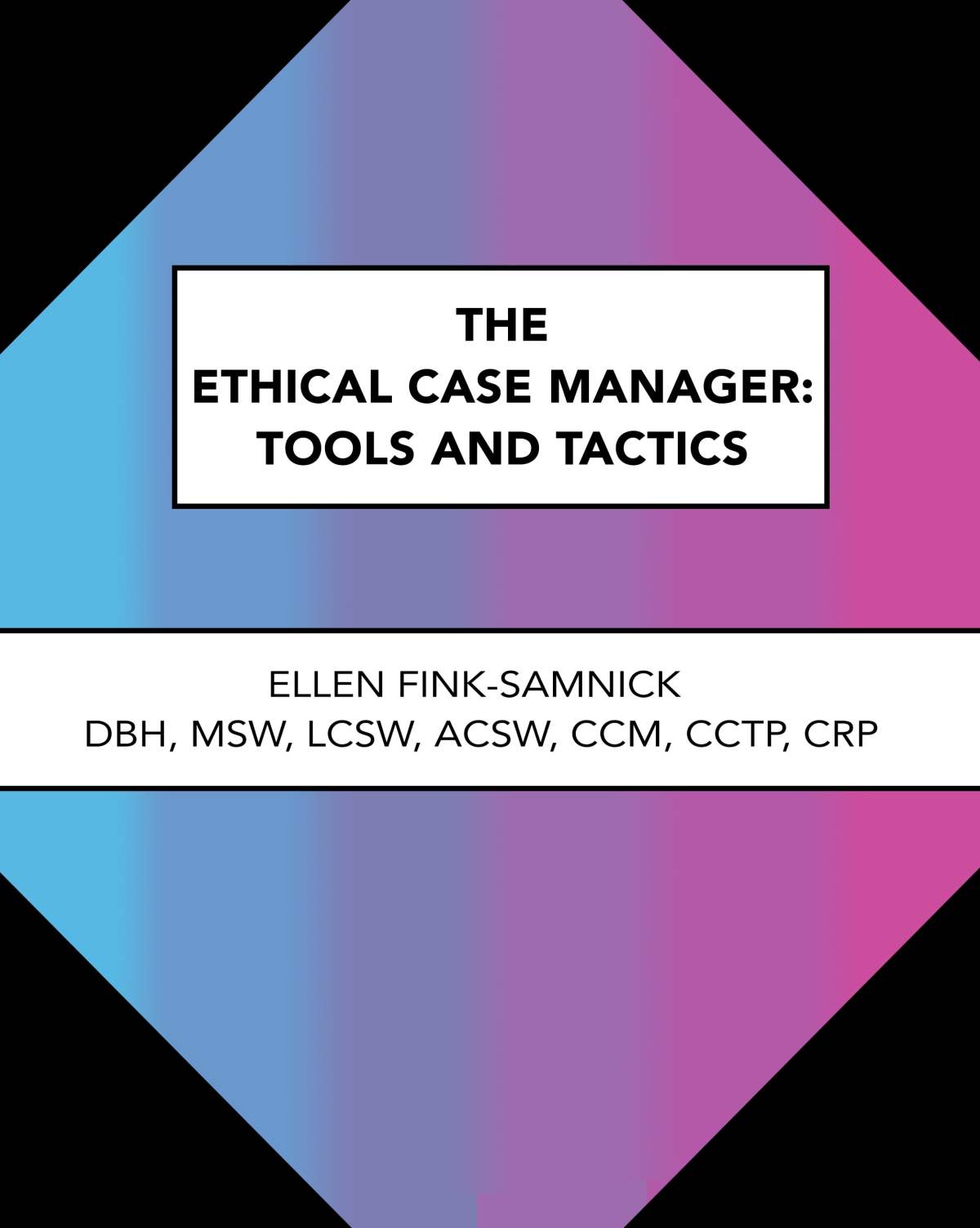
Ethics has long been viewed as not black and white, but rather varied shades of gray. However, these interesting times mandate a novel stance. Ethics now comprise a spectrum of vivid colors that reflect its fierce disruptions to practice, and for every member of the health and behavioral health workforce. Managing this intense reality is a constant struggle for all practitioners, especially those in case management. My latest book and Amazon’s #1 Best Seller in Medical Ethics offers clear guidance; enter The Ethical Case Manager: Tools and Tactics

Case management’s workforce faces many accountability challenges not experienced by other professions. First, case management is an umbrella profession comprised of varied disciplines (e.g., counseling, nursing, occupational therapy, and social work). Each discipline has a distinct code of ethics or professional conduct, as well as dedicated standards of practice. Let’s add another layer of complexity that includes the over 25 case management-related credentials for individuals (e.g., ACM, CCM, CDMS, CMGT-BCTM, CRC), those for organizations (e.g., NCQA, URAC)and their unique requirements. Of course, there are also a lion’s share of professional associations across the industry. The landscape gets even more precarious when including the hierarchy of case management roles that span community health workers, case management assistants, and community based case managers, to board-certified case managers, and those in leadership positions. 

The question beckons: Where should your ethical compass point? The range of established resources of guidance defined by each of the above entities makes the answer to this question challenging to answer. It also yields two confusing conundrums for the workforce:

  1. Defining the ethical and legal parameters for case management practice, and 
  2. Reconciling these parameters with employer policies and procedures across the industry.

Here’s where, The Ethical Case Manager: Tools and Tactics comes to the rescue. The book’s content is written for an interprofessional audience that spans the educational spectrum of degrees held by those in the field. This approach provides a context for accountability, while addressing the most complex ethical dilemmas to date. Attention is paid to workplace bullying, digital healthcare innovation, management of implicit biases, microaggressions, health equity and inclusion, plus interstate practice, and other population health situations. The pandemic’s wrath is woven within chapters where relevant. Didactic knowledge is blended with Federal and state regulations, innovative models, practice templates, and dedicated resources.

Each of the book’s 10 chapters includes real-life case scenarios and contemplation questions that allow learners to dig in and apply the content. 20 Ethical Tactics provide tangible touchpoints for learning. Every reader will reap their own reward, from students, to new or more seasoned case managers, consultants, as well as those in leadership roles.

The Ethical Case Manager’s 318 pages encompass the most vital areas for case managers:

  • Section 1: Essentials of Ethics
    • Chapter 1: Terms and Definitions
    • Chapter 2: Established Resources of Guidance
  • Chapter 3: The Value Proposition for Ethical Case Management
  • Section 2: Realities of practice
  • Chapter 4: Population-based Practice
  • Chapter 5: Diversity, Equity, Inclusion, and Justice (co-authored with Michael Garrett)
  • Chapter 6: Workplace Bullying
  • Chapter 7: Health Information Technology
  • Chapter 8: Interstate Practice
  • Section 3: Activation of Ethical Decision-making
  • Chapter 9: Enduring Models
  • Chapter 10: Case Scenarios and Direct Application
  • Epilogue

The Ethical Case Manager: Tools & Tactics will be your primary resource, whether you seek to:

  • Educate students
  • Onboard new staff
  • Benchmark ethical practice
  • Resolve ethical dilemmas
  • Guide compliance practices 
  • Ensure successful fiscal, clinical, and operational outcomes 
  • Employ ethical decision-making models
  • Leverage interprofessional teams
  • Inform individual practices

***********************************************************

The Ethical Case Manager: Tools and Tactics is only available on Amazon and for a special introductory price of $43.18. Pricing increase to $69.99 on 5/31/23.

Attending the upcoming Case Management Society of America Conference in Las Vegas? You will have access to 2 exciting book signing events: 

  • 6/27/23-Pre-Con, Telehealth 2024: Advancing Case Management’s Practice Proficiency, 2:15-3:15 PM
  • 6/29/23-Exhibit Hall book signing at the Case Management Institute table, 11 AM to 2:30 PM. Discounted rates, bulk orders, and bundled specials will be available

#ethicsmatter

#ethicalCM